On Sunday, November 7, at 1 p.m., a group of Connecticut residents will begin a seven‑mile march from Hurd State Park in East Hampton to the Eversource corporate center in the same town. The walk is organized to raise public awareness and pressure officials to stop the Southeast Resilience Project (SERP), a new methane‑gas pipeline proposed by the utility.
Why the pipeline is sparking opposition
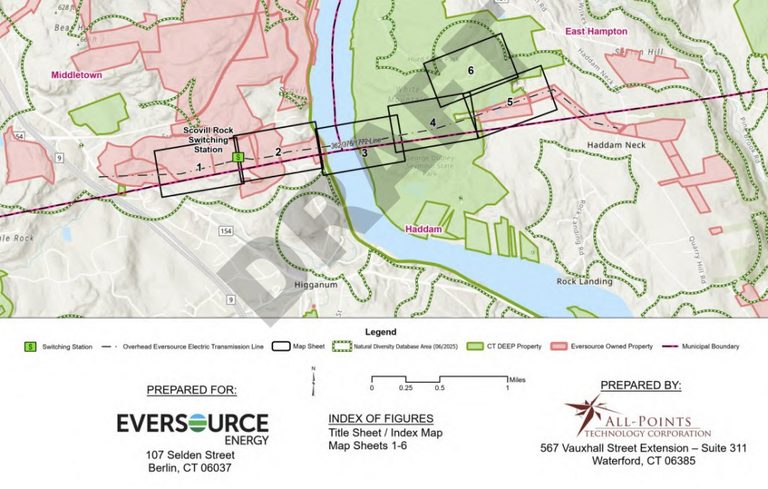
Opponents argue the project would cut through several state parks—including the Connecticut Valley Railroad State Park Trail in Middletown, Hurd State Park, George Seymour State Park and the Higganum Meadows Wildlife Management Area—as well as under the Connecticut River. The proposed route would require horizontal directional drilling, a method that previously spilled 50 gallons of toxic drilling fluid into Rhode Island’s Sakonnet River, creating a cleanup challenge for local ecosystems.
Critics also point to the financial impact on ratepayers. A recent analysis cited by protest organizers shows that Connecticut gas customers pay more for the pipelines themselves than for the gas they deliver, and that spending on pipe infrastructure has risen sharply over the past 25 years. Additional expansion, they say, would further increase utility rates without delivering a clear need for more natural‑gas capacity.
Environmental and climate concerns
Connecticut already generates a surplus of methane‑rich power, exporting roughly 40 percent of its electricity to neighboring states. Activists contend there is no market demand for a redundant pipeline and that the project may be positioned to serve future AI data centers, which could bring additional environmental burdens.
Methane is a far more potent greenhouse gas than carbon dioxide, and expanding the state’s natural‑gas network would lock in higher emissions for decades. Protesters stress that the state’s reliance on volatile gas for heating and electricity contradicts the promise of affordable, clean energy for families.
Public input and regulatory process
When the SERP was quietly introduced in early 2025, local residents, students and clean‑energy groups submitted comments to the Connecticut Department of Energy and Environmental Protection (DEEP). The agency has held a scoping meeting and opened a comment period, but the required Environmental Impact Evaluation has not yet been released.
Organizers of the march hope the public demonstration will prompt DEEP to expedite the review and consider the widespread objections from communities that would be directly affected.
How to join the march
Anyone who shares the concerns outlined above is invited to meet at Hurd State Park at 1 p.m. on November 7. The march will feature speakers from various environmental, consumer‑rights and local‑community groups. Organizers ask decision‑makers in Connecticut to listen to the voices of ratepayers and protect the state’s natural resources.
Nick Hopkins, a lifelong Connecticut resident and 23‑year‑old environmental advocate, says, “We have been sold a lie that natural gas is the cheapest, safest option. The only reason it’s framed that way is because we have already paid for miles of pipeline. Continuing to expand that system only raises our rates and endangers our health.”
Original reporting: The Connecticut Mirror — read the source article.