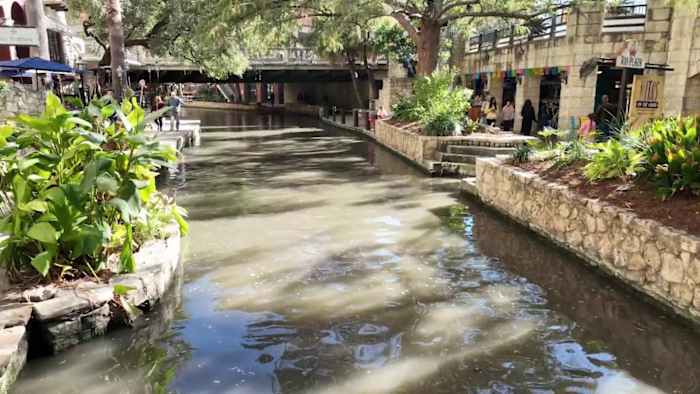
The Office of Historic Preservation and the City of San Antonio brought neighbors, business owners and council members together on a Saturday to talk about the future of the River Walk. District 1 Councilwoman Sukh Kaur led conversations about improvements, while residents from downtown and nearby neighborhoods raised concerns about parking, access and family-friendly spaces. The meeting kicked off a process to build a strategic plan that will guide how the waterfront is managed and improved in the years ahead. Attendees left with a clearer sense that this iconic city place is headed for a public planning effort that wants their voice.
People showed up because the River Walk matters to them — it’s both a local hangout and a major draw for visitors. The city made it clear the goal is to make the River Walk better for residents and tourists alike, not to lock it up for one group or another. Conversations bounced between daily practical issues and bigger-picture ideas about how the waterfront should feel and function. The tone was earnest and hands-on, with specific complaints and constructive suggestions mixed together.
“It’s been a while since we’ve really reinvigorated our River Walk,” District 1 Councilwoman Sukh Kaur said, “and the goal of this meeting was to get public input to see what they really care about.” Those words framed the gathering: this is about public priorities, not just engineering or branding. Kaur emphasized that any next steps would grow out of what residents and businesses actually want to see. That pledge to listen set a practical tone for the room and kept the focus on tangible fixes.
Residents were blunt about what keeps them away and what draws them in. Common complaints included limited parking for locals, confusing navigation through crowded stretches, and worries about cleanliness and safety in certain blocks. Small-business owners added a different angle, pointing out access problems for deliveries and customers during busy nights. Together these details painted a picture of a place that still works, but could work a lot better for everyday use.
Families showed up with a clear message about usability. “With my son, when we join families when we’re out, we like have a place to play,” the resident said, “you know where the kids can kind of run around while the adults are talking and so maybe some space like that.” That comment landed with a lot of nods; people want the River Walk to be a place where kids can be kids and adults can relax without worrying about traffic or crowds. There was an obvious appetite for spaces that welcome families without diluting the River Walk’s historic charm.
Kaur walked through a handful of early ideas the team is already weighing as they shape the strategic plan. “I think one of them is actually having key dollars set aside to create more enhancements,” Kaur said, “and so there’s potential bond conversations.” That language signals the city is looking at concrete funding paths and wants the public to understand the financial side of upgrades. It also means some changes could require voter approval or formal budget commitments down the line.
Another practical focus was wayfinding and better signage. “I think wayfinding, more clear wayfinding is really important,” Kaur continued. “More signage and enforcement on the River Walk I think is also going to be really important.” Those items may sound modest next to big capital projects, but people agreed clear signs, directions and consistent rules can immediately improve how everyone experiences the corridor. Enforcement and signage together shape behavior, and residents said they want a consistent, walkable experience from one block to the next.
City organizers explained that public input will be folded into a framework to guide future projects and bond discussions. The point is to turn community ideas into a strategy that can be presented at City Hall and used to prioritize spending and design work. The city also plans to hold additional public meetings throughout the year, inviting more voices into the process so the plan reflects a broad cross-section of the community. That continuous engagement is meant to make the strategy feel like a shared roadmap, not a top-down plan.