Ohio’s nursing homes admitted more than 172,300 people in 2021, with an average of about 86,000 present any given day. These facilities provide an important service for a vulnerable population in exchange for an extraordinary share of the state’s budget.
Investigating Nursing Home Care
A recent investigation into 16 nursing homes within the Arbors at Ohio chain revealed repeated accusations of poor or negligent care, sometimes contributing to patients’ deaths. To find out whether a given home is safe, or who’s responsible when something goes wrong, one can start with two government tools.
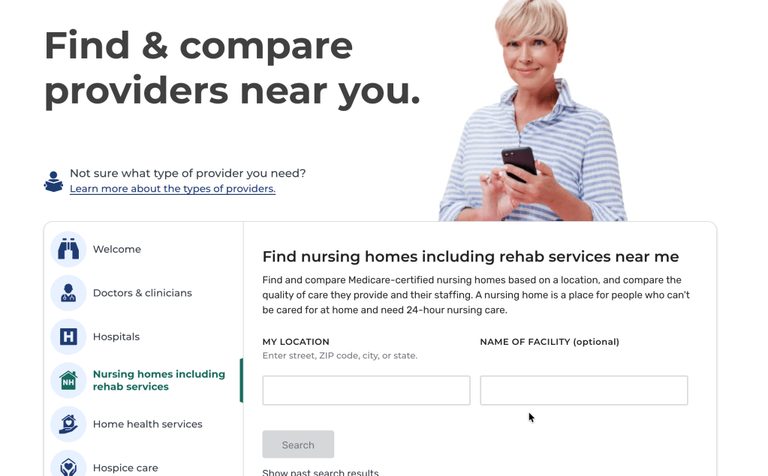
The first is published by the federal Centers for Medicare and Medicaid Services. Care Compare rates all licensed nursing homes on a five-star rating system. It’s essential to look beyond the overall rating and pay special attention to the staffing number, as lawyers and experts emphasize it’s often the strongest signal of quality of care.
Tools for Research
The Ohio Department of Health publishes its own Long-Term Care Quality Navigator to compare nursing homes across the state. Three key factors contribute to the overall score: staffing, annual inspections, and quality measures based on health outcomes like falls, bedsores, and other preventable injuries.
One can also use Nursing Home Inspect, a free database run by the investigative newsroom ProPublica, to read a home’s inspection reports and track penalties and citations. When reviewing a report, look for the severity of each problem, listed as a deficiency, and consider the incidents that surfaced from documents like these.
If someone’s in immediate danger, call 911. Otherwise, one can file a complaint with the Ohio Department of Health, which inspects and regulates the state’s nursing homes. The fastest way is through the online complaint form, and complaints are confidential and can be filed anonymously.
Ohio runs a Long-term Care Ombudsman program through the Department of Aging, which can help individuals understand their rights, provide information on options, and help resolve complaints. The advocates based across the state can be found online or reached through the statewide office.
Original reporting: Signal Cleveland — read the source article.