National polls show President Donald Trump’s average approval rating has slipped below 40 percent, while his disapproval rating has risen into the high 50s. Historically, presidents whose approval falls under the 50‑percent mark see their parties perform poorly in midterm elections. Congressional Republicans are facing a similar picture: generic‑ballot surveys indicate a Democratic advantage, and congressional disapproval has climbed to the high 60s.
Looking to a former opponent for strategy
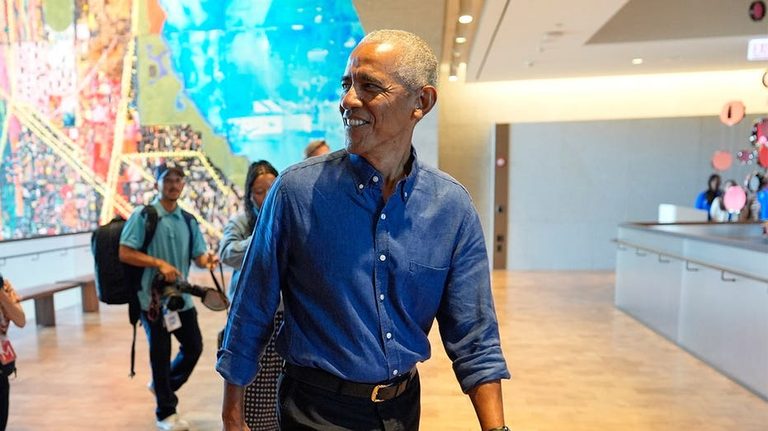
Some political observers suggest that GOP leaders study the 2012 campaign of former President Barack Obama, who turned a precarious re‑election bid into a decisive victory. In 2011, Obama’s approval hovered in the low 40s, and the nation was still grappling with the aftermath of the 2008 financial crisis, a sluggish recovery, and concerns about government spending.
Obama’s campaign succeeded by emphasizing two key messages that conservatives believe could be repurposed for 2026.
Blame the predecessor for current hardships
First, Obama convinced voters that many of the economic problems they faced were inherited from the George W. Bush administration. He warned that returning to the policies of that era would risk another crash. While the narrative downplayed the role of Democratic lawmakers who supported those policies, it resonated with voters who felt the economy was still fragile.
Republicans today face a comparable narrative challenge. Since taking office in 2025, they have inherited an inflation surge, rising housing costs, and higher prices for everyday goods. Critics attribute these trends to what they describe as “reckless spending,” pandemic‑era stimulus programs, supply‑chain disruptions, and the Biden administration’s focus on costly green‑energy initiatives. By framing the current affordability crisis as a legacy of Democratic governance, GOP candidates hope to persuade voters that returning power to the architects of those policies would worsen the situation.
Promising to finish the work
Second, Obama acknowledged progress while warning that completing the recovery would take time. He positioned his administration as having made measurable gains since the 2008 housing crash, yet still needing to finish the job.
Republicans can adopt a similar “let us finish what we started” message. Voters are aware that groceries, housing, health care and other essentials remain expensive. A campaign that ignores those realities may appear out of touch. By acknowledging ongoing struggles and arguing that free‑market policies are beginning to work—though more time is needed—candidates can present themselves as realistic stewards rather than wishful optimists.
Policy achievements to highlight
Supporters point to several statistics they claim demonstrate Republican stewardship since taking control of the federal government. They note that border encounters dropped dramatically, that the Consumer Price Index rose only about 5 % under Republican leadership compared with a 21 % increase from 2021‑2025 under President Biden, and that home‑price inflation has slowed, with average sales prices barely moving under the current administration.
While these figures do not guarantee electoral success, they provide a factual foundation for a narrative that the country is moving in the right direction and that a change in course could reverse any gains made by the opposition.
What the next election could mean
If Republican candidates continue to act as though voter frustration is irrelevant, history suggests they risk a significant defeat in November. Conversely, if they adopt a strategy that acknowledges inherited challenges, highlights measurable progress, and pledges to finish the work, they may still influence the trajectory of the midterm outcome.
Original reporting: Fox News (HLL/CB) — read the source article.