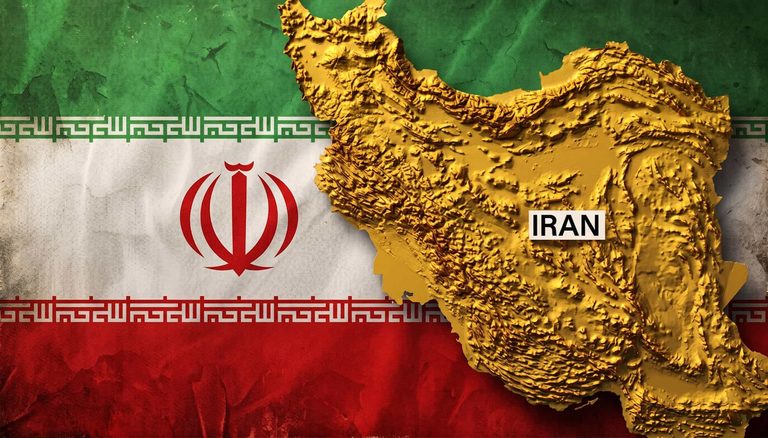
Voters in key Senate contests across Texas, North Carolina and Michigan are feeling the pinch of higher gasoline prices as the war with Iran keeps crude oil above $90 a barrel. While the conflict has become a hot topic in national headlines, Republican candidates are choosing to foreground issues that directly affect families in their districts.
Border security and public safety take center stage
North Carolina state Sen. Michael Whatley told a crowd of supporters that the real danger to constituents is not the overseas war but the surge of illegal immigration. Whatley, joined by Paul Perez, president of the National Border Patrol Council, warned that Democratic Governor Roy Cooper’s policies would undo the border measures that President Trump put in place, leading to “bigger consequences” for families.
In Michigan, former Rep. Mike Rogers echoed the same theme, blaming Democrats for high utility and auto‑insurance bills while pledging to keep fentanyl off the streets and to replace “trans flags” in classrooms with the American flag. Rogers attacked his opponent, Democrat Abdul El‑Sayed, calling him a “conman” who cannot answer questions about pediatric gender treatments for children.
Texas Attorney General Ken Paxton also avoided the Iran war in his campaign remarks, focusing on tax‑credit proposals and painting Democratic challenger James Talarico as a radical who would raise taxes and support biological boys playing on girls’ high‑school sports teams.
Economic impact of the Iran conflict
Gasoline prices have climbed above $4 per gallon in August, the highest monthly average on record, according to the American Automobile Association. Iran’s attacks on oil tankers in the Strait of Hormuz have kept crude prices elevated, a direct result of President Trump’s decision in late February to order strikes against Iranian targets.
“The war in Iran is an economic issue,” said North Carolina Republican strategist and pollster Paul Shumaker. “It is not a war. It is an economic issue. That is how voters see it.” Voters, he added, are watching the price at the pump and at the grocery store with growing concern.
Public opinion on the conflict
A recent Reuters/Ipsos poll shows only 31% of Americans support the strikes against Iran, down from 37% in March, while more than 80% expect the conflict to continue for an extended period. The same poll indicates President Trump’s approval rating sits around 35%, reflecting voter frustration with the war’s economic fallout.
Professor J. Michael Bitzer of Catawba College in Salisbury, North Carolina, noted, “You kind of have this environment that is intrinsically built against the president and the war. The issues it is causing for the economy is certainly not helping his cause.” Midterm elections often serve as a referendum on the sitting president, a dynamic that does not bode well for Republican candidates who must navigate both the war’s economic impact and their own policy priorities.
Democratic response
Democratic Governor Roy Cooper criticized the war for lacking a clear strategy and warned that it is driving up prices for military families and everyday Americans alike. In Michigan, Rep. Abdul El‑Sayed and his allies argued that billions spent overseas would be better directed toward schools, roads, health care and other domestic needs.
In Texas, challenger James Talarico linked rising fuel and supply‑chain costs directly to the Iran conflict, stating, “The people who started this war in Iran don’t have to worry about the price of gas every day, but we do.”
What’s at stake for voters
For voters in these Senate races, the choice comes down to whether they trust Republican promises to secure the border, cut taxes and protect families from crime, or whether they believe Democratic proposals to reallocate foreign‑policy spending toward domestic infrastructure will ease the cost‑of‑living squeeze.
As the war with Iran drags beyond the six‑month mark, the economic narrative will remain a pivotal factor in the upcoming November elections, shaping how candidates frame their messages and how voters decide at the ballot box.
Original reporting: WMAL (Washington DC) — read the source article.