MEMPHIS, Tenn. – The freshly redrawn 5th Congressional District of Tennessee now spans from the Mississippi River‑bordering neighborhoods of Memphis northward to the Kentucky line, then sweeps south through Williamson and Maury Counties in Middle Tennessee. The new map, approved by state lawmakers, removed the homes of both major party candidates from the district, but left incumbent Congressman Andy Ogles within its boundaries.
Who’s running
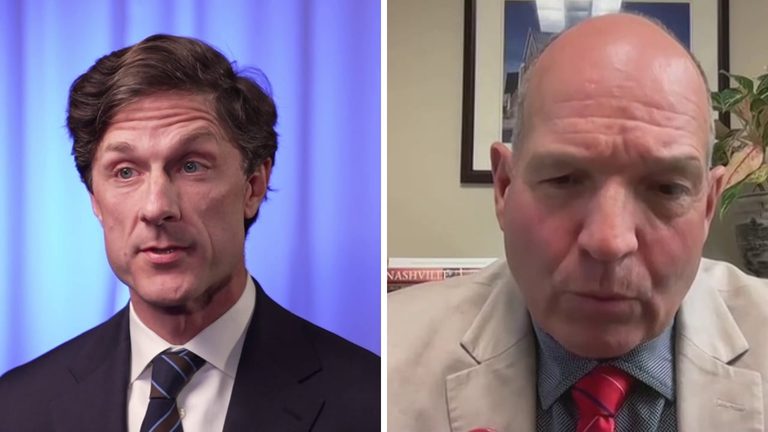
Republican nominee Charlie Hatcher, 68, brings a blend of public service and agricultural experience. Hatcher previously served as Tennessee’s Agriculture Commissioner, overseeing the state’s farm policy, and he continues to run a dairy farm while practicing as a veterinarian. His campaign emphasizes traditional family values, support for local farmers, and a strong national defense.
Democratic nominee Chaz Molder, 43, is the outgoing two‑term mayor of Columbia. Molder’s platform highlights investments in infrastructure, expanding access to quality education, and expanding health‑care options for working families. He positions himself as a pragmatic problem‑solver for a district that now includes both urban and rural communities.
Redistricting impact
The latest redistricting effort reshaped the political landscape. While both candidates now reside outside the district, the changes are expected to influence campaign strategies, voter outreach, and fundraising efforts. The district’s diverse geography means candidates must address the concerns of Memphis‑area voters as well as those in the more suburban and agricultural counties to the south.
Campaign focus
Hatcher’s campaign stresses the importance of protecting the agricultural sector, reducing federal regulatory burdens, and supporting law‑and‑order policies that align with the values of many Tennessee families. He also highlights his experience in state government as evidence of his ability to navigate Washington effectively.
Molder, meanwhile, points to his record as mayor, where he oversaw improvements to local infrastructure and championed community‑based initiatives. He argues that his hands‑on experience at the municipal level equips him to represent the district’s varied needs in Congress.
What voters can expect
Both campaigns have pledged to hold town halls and meet with constituents across the district’s expanded borders. Voters will have opportunities to hear directly from the candidates on issues ranging from farm subsidies and trade policy to education funding and health‑care access.
With the primary already concluded, the general election will determine which vision guides the district’s future. The race is shaping up as a key contest in Tennessee’s political landscape, reflecting broader national debates while remaining rooted in the everyday concerns of local families.
How to stay informed
Residents can follow the candidates’ official websites and social media channels for updates on upcoming events, policy positions, and volunteer opportunities. Local media outlets will continue to provide coverage of debates, endorsements, and campaign developments as the November election approaches.
Original reporting: Action News 5 WMC (Gray) — read the source article.