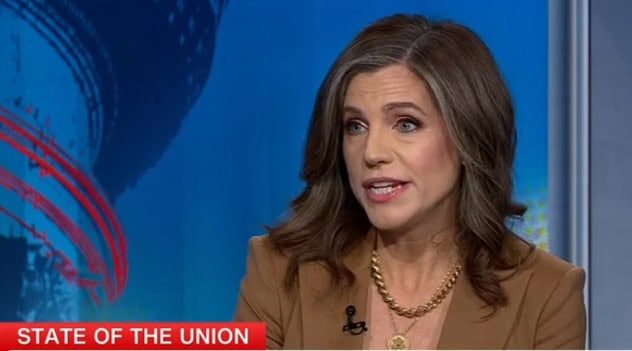
South Carolina Representative Nancy Mace announced legislation today that would end the practice of delivering SNAP‑benefit groceries directly to a recipient’s doorstep. The measure, called the NO DASH Act (No Online Delivery Allowed for SNAP Households Act), seeks to restore the original purpose of the Supplemental Nutrition Assistance Program by requiring beneficiaries to pick up their groceries in person or arrange curbside pickup.
Why the change?
In a statement, Rep. Mace argued that the program has drifted from its core mission of helping families afford basic food. “SNAP was created to temporarily supplement nutrition needs, helping families put food on the table, not turn hardworking taxpayers into a permanent personal food delivery service,” she said. “Government assistance should serve those who genuinely need it, not pay for the convenience of those perfectly capable of picking up their own groceries.”
Data shows rapid growth in online SNAP use
According to data from the U.S. Department of Agriculture cited by Mace’s office, online SNAP and P‑EBT spending was $234 million in 2020. By the first quarter of 2023, that figure had surged to $2.3 billion, representing 8.8 % of all SNAP benefit usage. The network of approved online retailers also expanded dramatically, growing from just seven stores in 45 states to 341 retailers nationwide.
Key provisions of the NO DASH Act
- The USDA would be barred from approving retailers to accept SNAP payments for delivery orders.
- Beneficiaries would be required to collect groceries in‑store or at a designated curbside pickup location.
- An exception would remain for caregivers assisting elderly or chronically ill recipients, allowing them to pick up orders on the recipient’s behalf.
- If enacted, the Secretary of Agriculture would have 180 days to write the new regulations, after which the delivery ban would take effect.
Support from fiscal‑conservative voices
Fiscal‑responsibility advocates have praised the bill as a common‑sense safeguard for taxpayers. They note that the current delivery model effectively subsidizes a private convenience service, increasing program costs without demonstrable benefit to the most vulnerable families. By requiring in‑person pickup, the legislation aims to ensure that SNAP dollars are spent directly on food, not on logistics.
Critics raise concerns
Some consumer‑advocacy groups argue that the ban could create barriers for low‑income families who lack reliable transportation. They point out that rural residents and those with limited mobility may find it harder to access grocery stores. Rep. Mace responded that the bill’s caregiver exemption addresses these legitimate needs while still curbing unnecessary delivery expenses.
What’s next?
The NO DASH Act now heads to the House Committee on Agriculture for consideration. If it clears the committee, it will move to the full House for a vote. Supporters hope the measure will pass quickly, emphasizing that the administration’s focus on fiscal prudence aligns with the bill’s objectives.
Regardless of the outcome, the proposal underscores a growing national conversation about how best to balance convenience, cost‑effectiveness, and the original intent of federal assistance programs.
Original reporting: Tampa Free Press — read the source article.