People around Fayette County have been saying for years that somebody ought to do something with the old depot. What they usually mean is that they’re glad nobody has torn it down yet.
The Western Maryland Railway Station on Pittsburgh Street is one of those structures that stops people mid-stride — not because it announces itself with a sign or a gift shop, but because it looks exactly like a building that was built to last and has, against reasonable odds, done exactly that. The red brick facade, the low-pitched roofline, the broad overhanging eaves: all of it still more or less intact, which is more than most towns this size can claim for their rail infrastructure.
Uniontown never had a golden age of rail the way Pittsburgh or Connellsville did, but the Western Maryland line connected the region’s coal operations to markets east, and this station was the civilian face of that industrial economy. Businessmen, miners, families relocating — they all moved through here. The building dates to the early twentieth century and reflects the modest but serious architectural ambitions of that period: functional, durable, not trying to impress anyone but not embarrassed about itself either.
What makes a visit worthwhile today is less about interior access — the building has seen various uses over the decades and public entry isn’t always guaranteed — and more about the act of standing outside it and reading the landscape. The rail corridor that once ran behind it is still visible if you look for it. The scale of the platform area suggests the volume of traffic that once moved through. A few original details survive on the exterior: brickwork coursing, window proportions, roofline trim that somebody once took the time to get right.
Serious architecture and local history types will want to cross-reference a visit here with the broader story of Connellsville coke production and what it meant for southwest Pennsylvania’s economy between roughly 1870 and 1930. The depot is a physical footnote to that story — a human-scale building at the edge of an industrial system that was anything but human-scale.
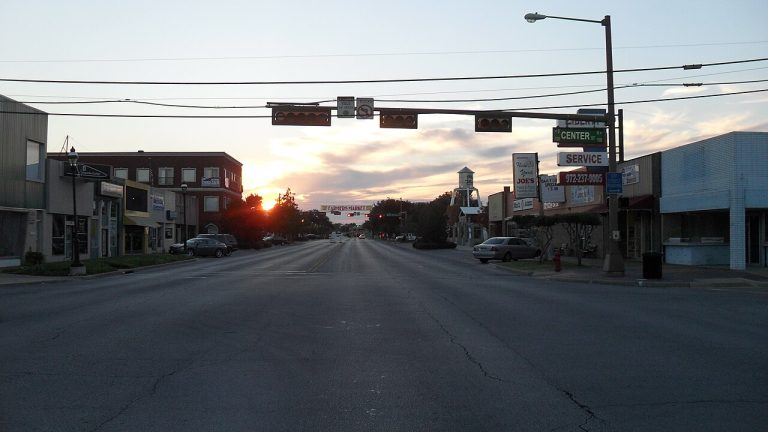
The surrounding blocks on Pittsburgh Street show the usual signs of a mid-sized Pennsylvania city that’s been through hard decades: some vacancy, some renovation, some buildings that could go either way. The depot holds its own in that context. It’s the kind of structure urban preservationists call contributing — not the most spectacular thing on the block, but the thing that gives the block its bones.
There’s no admission fee to look at the outside of a building, which is what most people are doing here. The best light is in the morning, when the sun catches the east-facing brick. Foot traffic on that stretch of Pittsburgh Street is light enough that it’s easy to stand and look without feeling self-conscious about it. Parking is available on the street.
It won’t take more than twenty minutes, probably less. But for anyone paying attention to what Uniontown was before the interstates rerouted everything, the old depot is twenty minutes well spent.