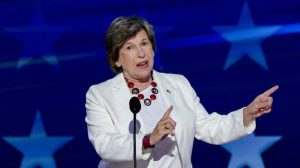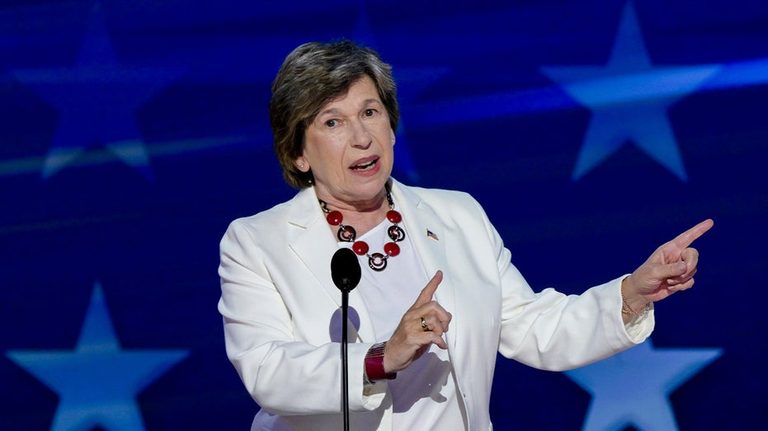
In the wake of the 2026 midterm elections, Texas Republicans can point to clear data that school‑choice programs did not cost them any votes. Governor Greg Abbott’s rural base remained solid, with NBC exit‑polling showing he captured between 64% and 66% of the rural vote in both 2022 and 2026. That stability runs counter to teachers‑union head Randi Weingarten’s claim that “voters across the nation rejected the defunding of schools and the far‑right’s culture wars and privatization agenda.”
Voter support for school choice remains high
More than 274,000 Texas students applied for Education Freedom Accounts in the program’s first year, and over 100,000 received funding. Tens of thousands are still on a waitlist after the allocated funds were exhausted, indicating strong demand for school‑choice options.
Recent polling backs this demand. An October University of Texas at Austin poll found voters trusted both gubernatorial candidates equally on public education, and a 2024 University of Houston poll showed 69% of Texans supported universal education savings accounts. Likewise, a University of Texas at Tyler poll recorded 60% support for school choice in 2023.
Election outcomes reflect the data
While Democrats celebrated a historic blue wave, the numbers tell a different story for education policy. Texas voters rejected nearly $7 billion—about 85% of the total dollars considered—when asked to increase funding for the public school system. Instead, they approved a 79.4% to 20.6% ballot measure to raise the homestead exemption, reducing local property‑tax revenue for schools.
In the Texas House, more than 20 seats flipped from Republican to Democrat, but only one of those flips occurred in the 30 most rural districts, which stayed heavily Republican. This suggests that rural voters did not abandon Abbott over school‑choice issues.
Democratic rhetoric versus voter sentiment
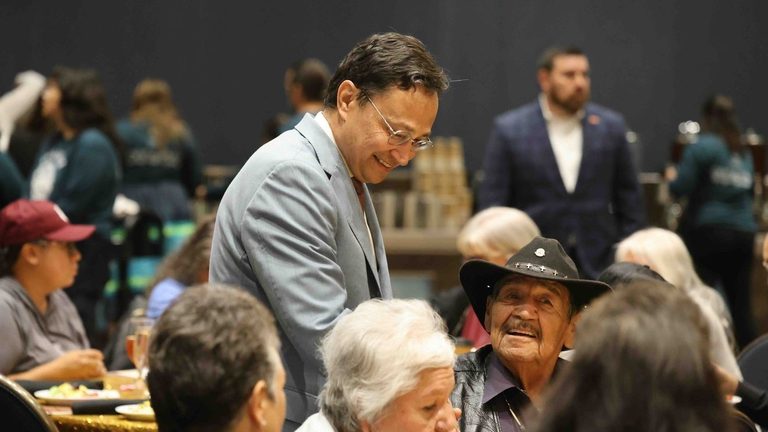
Gov.-elect Gina Hinojosa, a Democrat, labeled the voucher system a “Texas voucher scam” in her victory speech and has already filed proposals to eliminate scholarships for over 100,000 low‑income students. Yet the data shows that the very families she aims to cut off are the ones who have embraced school‑choice as a pathway to better education.
Critics, including a Dallas Morning News op‑ed by Suzanne Bellsnyder, have alleged that rural Republicans were shifting toward Hinojosa. The newspaper later disclosed that Bellsnyder’s firm was paid $57,000 by the Hinojosa campaign, raising questions about the impartiality of that narrative.
Why school choice matters for families
School‑choice programs give parents the freedom to select the educational setting that best fits their child, rather than being forced to remain in a failing district. Competition, as the article notes, acts as a “rising tide that lifts all boats,” improving public schools by encouraging them to innovate.
Historically, the nation’s oldest voucher programs began in Maine and Vermont in the late 1800s to serve rural children lacking public schools. Those early experiments demonstrate that expanding options, not restricting them, has long been a proven strategy for strengthening education.
Looking ahead
With strong voter backing and solid electoral performance, school‑choice advocates see a bright future in Texas. The Trump administration continues to champion school‑choice policies nationwide, reinforcing the principle that parents, not bureaucrats, should decide what’s best for their children’s education.
As the next legislative session approaches, Texas Republicans are poised to protect and expand these programs, ensuring that families retain the ability to choose the schools that best serve their children’s needs.
Original reporting: Fox News (HLL/CB) — read the source article.