There is a moment, maybe ten minutes into the Deadhorse Canyon Trail, when the city noise simply stops. The drone of traffic fades, the canopy closes overhead, and you find yourself standing beside a clear, fast-running stream in a ravine so lush and green it feels like you’ve crossed into another country entirely. That this happens inside Renton city limits — within a short drive of shopping centers and office parks — is the kind of thing that makes locals fiercely protective of this place.
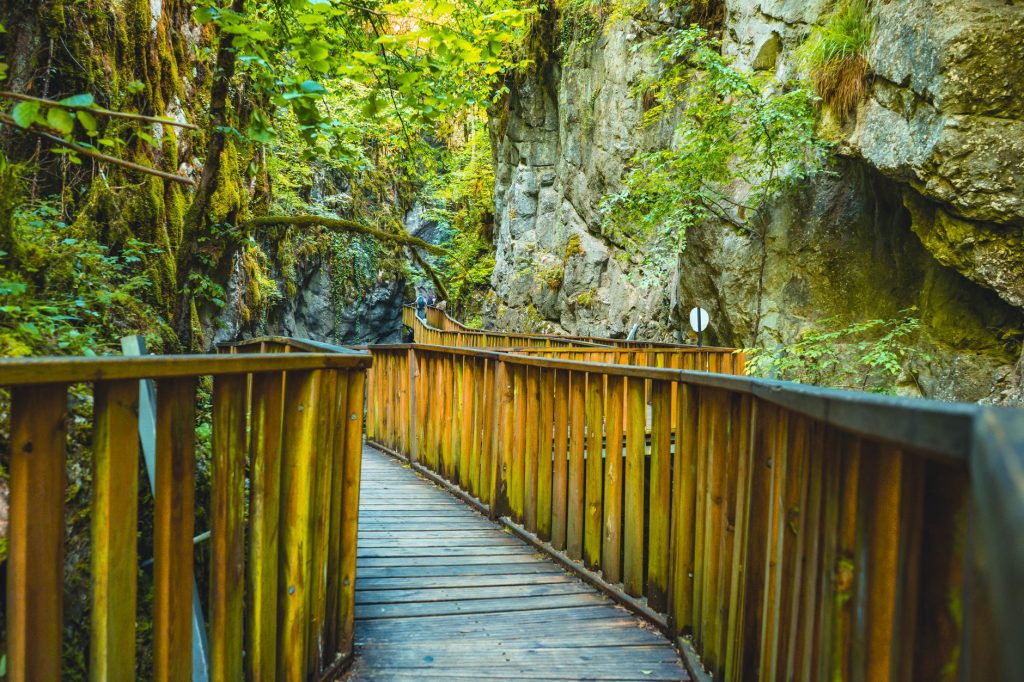
Deadhorse Canyon Trail winds through a forested gulch in the southeast corner of Renton, near the Benson Hill neighborhood, accessed most easily from the parking pullout off SE 168th Street. The trail name sounds dramatic, but the experience is purely restorative. Ancient big-leaf maples arch over the path, their moss-covered roots gripping the hillside like old hands. Western red cedars crowd the creek corridor, and sword ferns carpet every bank in deep, layered green. In the rainy season — which, this being the Pacific Northwest, lasts a good portion of the year — the creek swells and tumbles over mossy boulders with satisfying force. On a sunny July afternoon, that same creek becomes a series of clear pools catching the light through the tree gaps above.
The trail network here is relatively compact, running roughly two miles in total depending on how far you explore, with gentle to moderate elevation changes that make it accessible to most fitness levels. Families with older children do well here; a few sections involve stepping stones across the creek, which kids absolutely love. Hikers looking for a quick midweek reset from desk life will find the loop takes about an hour at a comfortable pace, leaving enough time to linger at a particularly photogenic bend in the canyon where the light falls just right in the late afternoon.
What sets Deadhorse Canyon apart from better-known Renton trails is how genuinely wild it feels. The trail sees far fewer visitors than spots like the Cedar River Trail or Gene Coulon’s waterfront, which means you’ll often have long stretches entirely to yourself. Birding is excellent here — listen for the winter wren’s improbably loud song bouncing off the canyon walls, and keep an eye out for the flash of a belted kingfisher working the creek. Seasonal wildflowers, trillium in spring and wild ginger low along the banks, add quiet color without demanding your attention.
Come prepared with waterproof footwear — the trail gets muddy and rooty in wet months — and a light layer, since the canyon holds cool air even when the sun is warm above the treeline. There are no formal amenities, no coffee kiosks, no interpretive signs. Just the trail, the trees, the water, and that particular Pacific Northwest silence that feels like permission to stop thinking for a while.
If your image of Renton is Boeing, the Landing, or the lakefront at Coulon, Deadhorse Canyon will genuinely surprise you. This is what lies beneath and behind the city — a forested canyon that asks almost nothing of you and gives back something hard to name but easy to feel. Go soon, and go quietly.