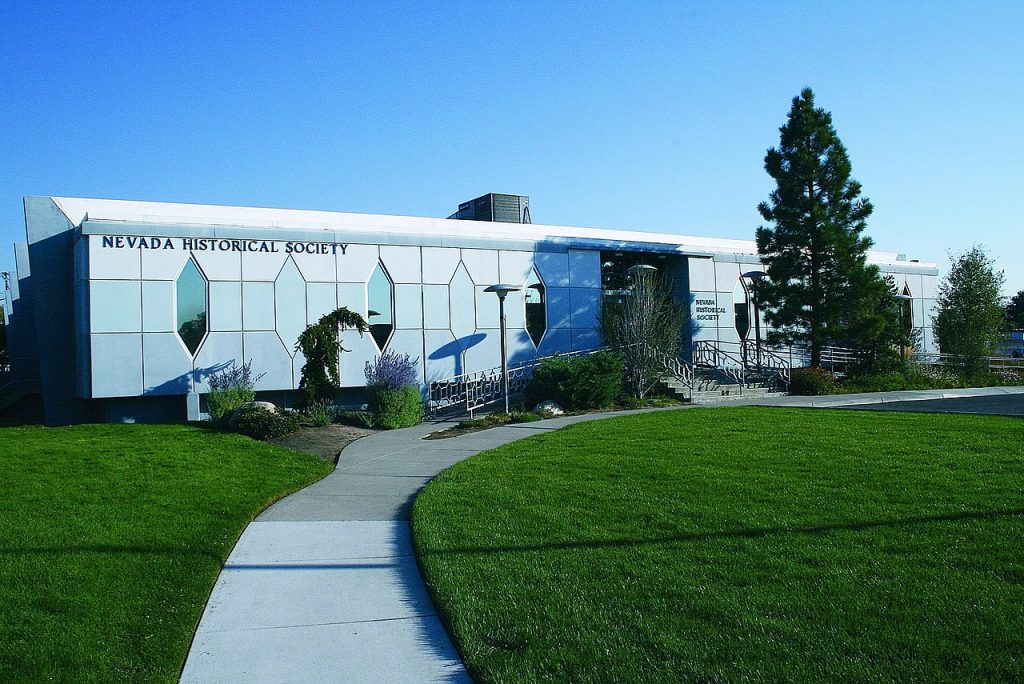
There is a building on North Virginia Street that most people drive past without a second glance. It sits just north of the University of Nevada, Reno campus, modest in its exterior, patient in the way that old things tend to be patient. But walk through the front door of the Nevada Historical Society Museum and you will understand immediately why this place has been pulling people in since 1904 — making it the oldest museum in the entire state of Nevada.
I came in on a Tuesday afternoon expecting to spend maybe forty-five minutes. I left two and a half hours later, slightly stunned and more than a little moved.
The Nevada Historical Society is not the flashiest stop in Reno. It does not have a gift shop full of novelty magnets or a simulator that shakes you around. What it has is depth — real, earned, carefully curated depth. The permanent collection covers Nevada’s story from the first Indigenous peoples who shaped this landscape thousands of years before anyone else arrived, all the way through the Comstock Lode silver rush, the railroad era, Basque immigration, the rise of gaming culture, and beyond. The artifacts are the real thing: hand-stitched quilts, mining tools worn smooth by actual hands, photographs of faces that stare back at you with uncanny directness.
One exhibit that stopped me cold was the collection of early Nevada newspapers. Holding the weight of that history — headlines from boom towns that no longer exist, advertisements for goods sold to miners who struck it rich or went broke trying — felt genuinely cinematic. This is primary-source history, presented without condescension.
The research library attached to the museum is a serious resource for genealogists and historians, but even a casual visitor can appreciate what it represents: a commitment to preservation that stretches back over a century. The staff here are the kind of people who actually love what they do. I asked a docent a throwaway question about the Pyramid Lake War and ended up in a twenty-minute conversation I did not want to end.
Admission is extremely reasonable — just a few dollars for adults, and children under eighteen get in free. The museum is open Tuesday through Saturday, which means it fits neatly into almost any Reno itinerary. Parking along North Virginia is manageable, and the university neighborhood itself is pleasant to walk around before or after your visit.
If you have been to Reno a dozen times and always defaulted to the casino corridor or the river walk, this is your sign to go slightly off-script. The Nevada Historical Society Museum will not compete for your attention with noise or spectacle. It will simply tell you the truth about this remarkable place — and that turns out to be more than enough.