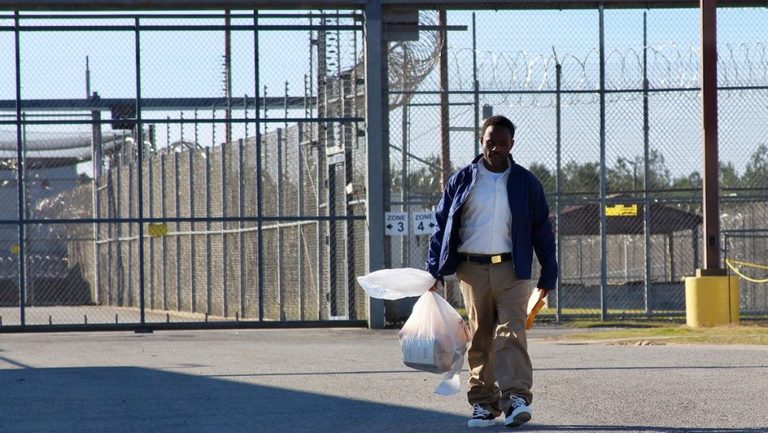
As a primary care provider, I have seen many patients struggle to rebuild their lives after incarceration. They often face significant barriers to employment, healthcare, and stable housing, making it difficult for them to succeed.
The Importance of Rehabilitation
Research has shown that stable employment, education, mentorship, healthcare access, and structured re-entry support can improve outcomes for formerly incarcerated individuals. However, many communities lack the resources and support systems needed to provide these services.
The consequences of inadequate re-entry support extend far beyond the individual. Unemployment rates among formerly incarcerated individuals are high, and they often struggle with untreated mental illness, substance relapse, and lack of healthcare continuity. This can lead to increased emergency department utilization, hospitalization, homelessness, and recidivism, which burden healthcare systems, destabilize families, and increase long-term societal costs.
A Public Health Approach
Re-entry programs should not be viewed solely as criminal justice initiatives, but rather as public health interventions. By providing access to mental healthcare, primary care continuity, vocational training, substance use treatment, mentorship, transitional housing, and employment opportunities, communities can become safer and healthier.
Families can stabilize, healthcare costs can decrease, and recidivism can decline. Most importantly, people can regain dignity and purpose. It takes coordination between healthcare systems, policymakers, correctional institutions, employers, educators, social workers, and community organizations to provide the necessary support.
Original reporting: The Connecticut Mirror — read the source article.