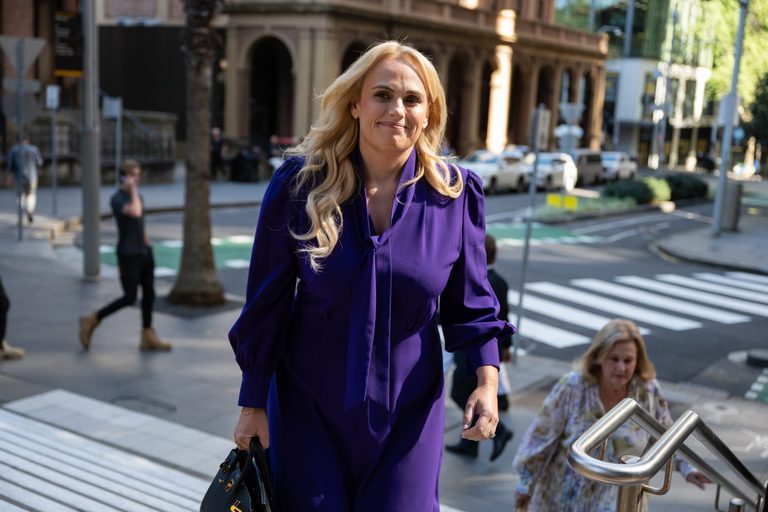
Australian actress and director Rebel Wilson appeared before the New South Wales Supreme Court in Sydney on Monday for a fresh hearing in the dispute over her directorial debut, The Deb. The lawsuit, filed by AI Film Production Limited, alleges that Wilson deliberately undermined the film’s distribution and caused financial and reputational harm to the Britain‑based production company.
Background of the case
AI Film claims the film’s release was stalled in 2024 after Wilson fell out with co‑producers Amanda Ghost, her husband Greg Cameron, and Vince Holden. Although the movie eventually premiered in April 2025, the producers say Wilson’s actions continued to damage the project.
Earlier this year, Wilson won a defamation case in the Federal Court of Sydney brought by fellow Australian actor Charlotte MacInnes, the star of The Deb. That case centered on Wilson’s social‑media posts from July 2024, which the court found were not defamatory.
Allegations from AI Film
AI Film alleges Wilson and her company, Camp Sugar Productions, breached Australian consumer law by engaging in misleading conduct and violating contractual agreements. Specifically, the producers say Wilson made false statements to her 11 million Instagram followers, sabotaged negotiations with potential distributors, and threatened an injunction to block the film’s Australian showing.
The company is seeking unspecified damages, a public apology, and corrective advertising to address what it describes as “misleading and deceptive conduct.”
Wilson’s counter‑claims
In a cross‑claim, Wilson and Camp Sugar accuse the three co‑producers of a “troubling pattern of illicit egregious behaviours,” including theft, bullying and sexual misconduct. Wilson alleges Ghost broke verbal agreements concerning writing credits and a soundtrack album deal, while Cameron and Holden allegedly embezzled AU$900,000 from a joint‑venture company created for the film.
During the hearing, Wilson sat at the back of the courtroom and frequently typed on her phone as her lawyer, David Sibtain, questioned Holden, the first witness. The court adjourned the matter until Tuesday for further proceedings.
Previous defamation suit
The earlier federal court case involved MacInnes alleging Wilson defamed her by suggesting she had withdrawn a sexual‑harassment complaint against Ghost to advance her career. MacInnes denied ever filing such a complaint, and a judge ultimately ruled that Wilson’s posts were not defamatory.
Both lawsuits highlight the complex and contentious nature of film production disputes, especially when high‑profile talent and substantial financial stakes are involved.
Implications for the Australian film industry
Legal experts note that the outcome could set precedents for how consumer‑law breaches and contractual disputes are handled in the entertainment sector. The case also underscores the importance of clear agreements and transparent communication among producers, directors, and investors.
As the hearing continues, industry observers will be watching for any rulings that might affect future collaborations between Australian talent and international production companies.
Original reporting: Alexandria, VA News – WTOP News — read the source article.