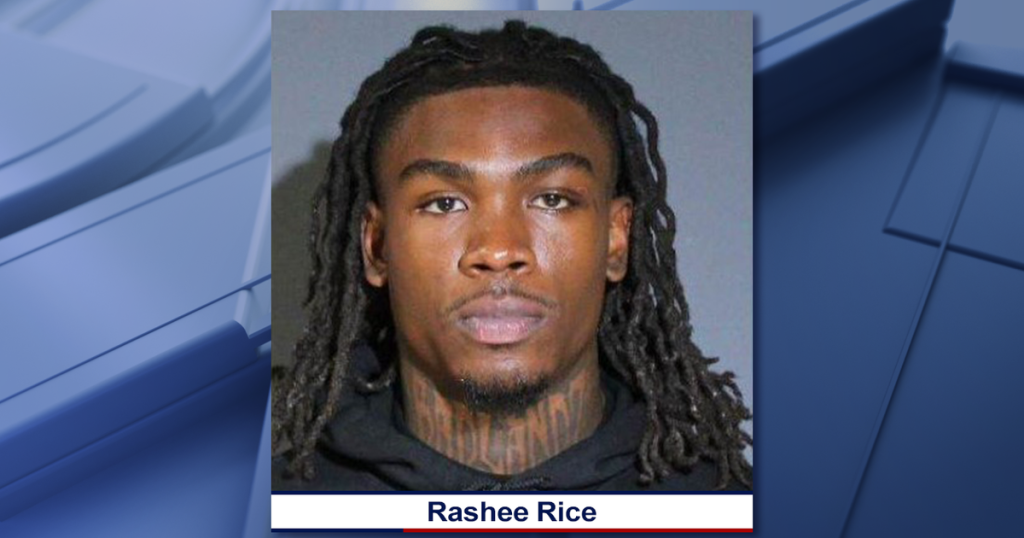
Rashee Rice, the Kansas City Chiefs receiver and former SMU standout, was ordered to spend 30 days in jail after testing positive for marijuana while on probation stemming from a high-speed Lamborghini crash on North Central Expressway in Dallas. The incident and the court’s decision tie Rice’s NFL future to ongoing legal consequences in Dallas. This piece walks through the charge, the probation violation, and what the short jail term could mean for his playing career and public image.
The crash on North Central Expressway in Dallas was serious enough to put Rice on court-ordered probation, a condition meant to keep him under careful legal supervision. That probation came with strict rules, including drug testing, and authorities say his recent positive marijuana test crossed the line. Prosecutors and the judge treated the failed test as a violation, not a minor slip, which triggered the 30-day jail sentence.
Courtroom decisions like this are rarely just about the substance; they’re about compliance and accountability. Rice’s legal team argued mitigation, but the judge focused on the probation terms and public safety concerns tied to the high-speed crash. The outcome reflects a practical reading of probation: follow the rules or face penalties designed to enforce them swiftly.
For the Kansas City Chiefs, the situation is an awkward operational and image issue rolled into one. Teams juggle roster needs with public relations, and an off-field legal matter that results in jail time complicates that balancing act. The club will have to navigate disciplinary moves, availability questions, and potential league processes while still preparing for regular-season demands.
Rice’s background adds layers to the story: a productive career at SMU turned into an NFL opportunity, and a promising on-field trajectory now interrupted by off-field consequences. Fans and analysts will debate how much the suspension or jail time should weigh against his talent and potential contribution on the field. The NFL also has its own conduct policies, so league discipline could follow separate from the criminal sentence.
Legally, a 30-day jail term for a probation violation is meant to serve as a corrective measure rather than a long-term punishment, but it can carry long-term ripple effects. It shows courts are willing to enforce conditions tied to dangerous behavior, like high-speed driving, by taking breaches seriously. For Rice, that means the immediate consequence is short detention, but the lasting costs might include strained legal options and tougher terms moving forward.
Public reaction has been mixed, with some calling for strict enforcement given the crash’s circumstances and others urging a focus on rehabilitation and support for young athletes. Media coverage in Dallas and beyond will keep the story visible, which increases pressure on both Rice and the Chiefs to respond decisively. That spotlight can influence negotiations, team discipline, and how the legal case proceeds in subsequent hearings.
Next steps include compliance checks, possible additional court dates, and the NFL’s review of the incident under its personal conduct policy. Rice’s camp will likely pursue appeals or modifications of probation terms while coordinating with the team on roster status. Whatever legal strategy they choose, the Dallas court’s ruling has already set a concrete marker in the timeline of this case.