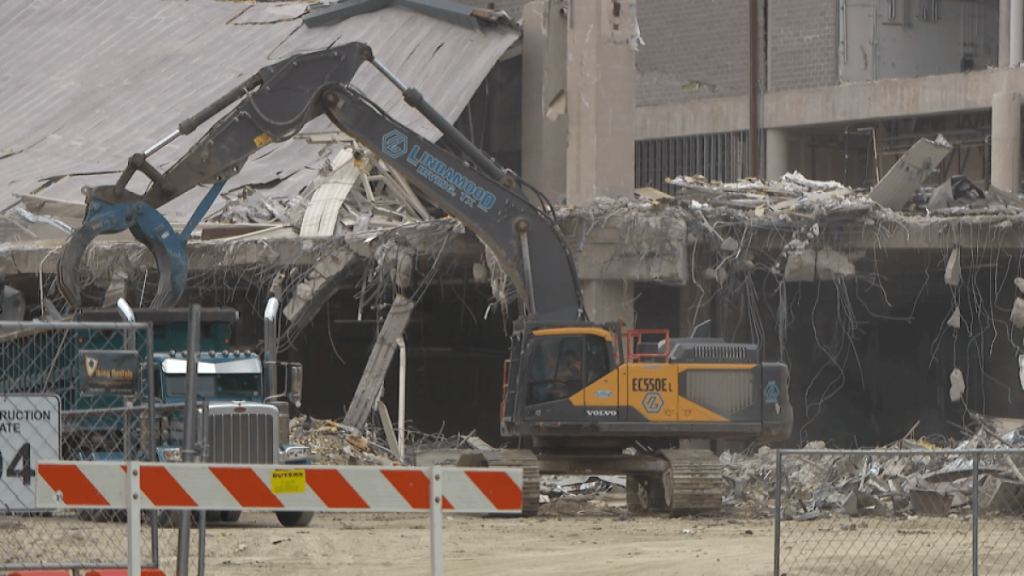
The Dallas Transportation and Infrastructure Committee voted 4-2 to recommend raising the height of the new Kay Bailey Hutchison Convention Center so two vital connections between Oak Cliff and downtown remain intact, a move that put neighborhood leaders and city officials on a collision course with cost and schedule realities. Over a four-hour hearing, staff laid out alignment options for the Houston Street and Jefferson Boulevard viaducts and warned some convention designs would chop into the Jefferson viaduct that links southern Dallas to the core. Director Rosa Fleming flagged the risk of delays and higher bills, while City Council members Chad West and Maxie Johnson and residents from Bishop Arts District pushed back hard. The debate is now squarely about preserving access for Oak Cliff without letting a major civic project become a blank check for endless rework.
The committee heard technical options and tradeoffs, with engineers showing how different footprints for the convention center could either preserve or remove sections of the Jefferson Boulevard viaduct. City staff were clear that certain design choices would require taking down part of that route, a change that would reroute drivers, transit and freight in ways people in southern Dallas can already picture. For neighborhoods that depend on Jefferson and Houston streets as lifelines into downtown, this is not an abstract planning exercise. It is basic access and local economic reality, and residents made that point bluntly during public comment.
Rosa Fleming, Director of Convention and Event Services, emphasized fiscal and schedule consequences before the committee voted. “The project stalls until such time as something else is revised and brought back to council,” Fleming said. “So, we’re in the same situation of a delay.” That quote landed with staff and members who worry about inflation, contractor timelines and the very real cost of redoing plans midstream. From a taxpayer perspective, delays translate into higher expenses and a long stretch of construction impacts on adjacent neighborhoods.
Chad West, who represents parts of North Oak Cliff and is not on the committee, said the vote sent a direct signal to city staff about community priorities. “The residents are saying ‘don’t turn your back to Oak Cliff,’ staff needs to hear it,” West said. His point was simple and local officials should listen: connectivity matters, and it is not a luxury when residents use these roads daily for work, school and small business access. Letting a major public project sever those routes without a credible, affordable replacement is poor planning and poor politics.
Maxie Johnson, whose district covers parts of South Oak Cliff and east Oak Cliff, co-hosted a community meeting with West on May 15, 2026, where more than 100 residents showed up to press the case. “I’ve said it very clearly and plainly, I can’t support anything that doesn’t give access to southern Dallas,” Johnson said. “And it seems like we’re being excluded from decisions in the process that are being made in my district.” That line captures the frustration of neighborhoods that feel decisions are made downtown and dropped on communities as afterthoughts.
Residents like Ninette McDonald, showing up in a Bishop Arts District T-shirt, made the stakes personal and plain. “More separation between downtown and Bishop Arts District, as well as the rest of southern and eastern and western Oak Cliff, is detrimental,” McDonald said. “Slow it down, go back and let’s relook at everything, let’s get to reality.” Their message is not anti-development, it is pro-connection, and it calls for realistic planning that protects neighborhood access while allowing the convention center to move forward.
The political angle is unavoidable, because this is local democracy in action. Committee members split 4-2, reflecting both technical caution and neighborhood pressure, and the next steps will force a choice between preserving infrastructure or accepting traffic reroutes and disruption. From a Republican viewpoint the sensible middle path is clear: respect taxpayer limits, preserve essential access for Oak Cliff, and insist on design changes that do not create open ended budget growth. That means demanding firm cost estimates, clear mitigation plans and timelines before making any irreversible cuts to the viaduct.
City leaders now face a classic urban planning question that is really about priorities and accountability. The convention center is important for Dallas, but it should not be built at the expense of daily access for thousands of residents who rely on the Jefferson and Houston corridors. Officials can and should find a way to keep those connections while controlling costs and sticking to a realistic schedule, or they should be honest about tradeoffs and give communities the decision-making power they deserve.