The World Health Organization has warned about a rapidly moving Ebola outbreak in Central Africa as international travel and the World Cup approach, a situation that has drawn attention from U.S. health experts and local officials in places like Dallas and Houston. Dr. Thomas Giordano of Baylor College of Medicine, the Centers for Disease Control and Prevention, and Dallas County leaders are all monitoring developments tied to cases in the Democratic Republic of the Congo and Uganda. This article lays out what is known about the strain, the human toll reported so far, how U.S. agencies are responding, and how regional hospitals are preparing for visitors tied to the upcoming World Cup.
Health officials say the variant at the center of this outbreak is unusual and worrisome because there is no existing vaccine and research is limited. Dr. Thomas Giordano, a professor of medicine and infectious diseases at Baylor College of Medicine, said the strain is especially concerning. “This strain, unfortunately, there’s no vaccine for it and it’s not very well, there’s not a lot of research about it because it’s a relatively new strain. It was first reported 20 years ago,” Giordano said, underscoring the unknowns researchers still face.
Reported numbers from health ministries on the ground show a heavy toll: at least 131 people have died and 531 are suspected to be infected. Those figures come from Congolese public health authorities and reflect the outbreak’s rapid spread in affected regions. The case counts drive both international concern and the stepped-up surveillance measures now in place.
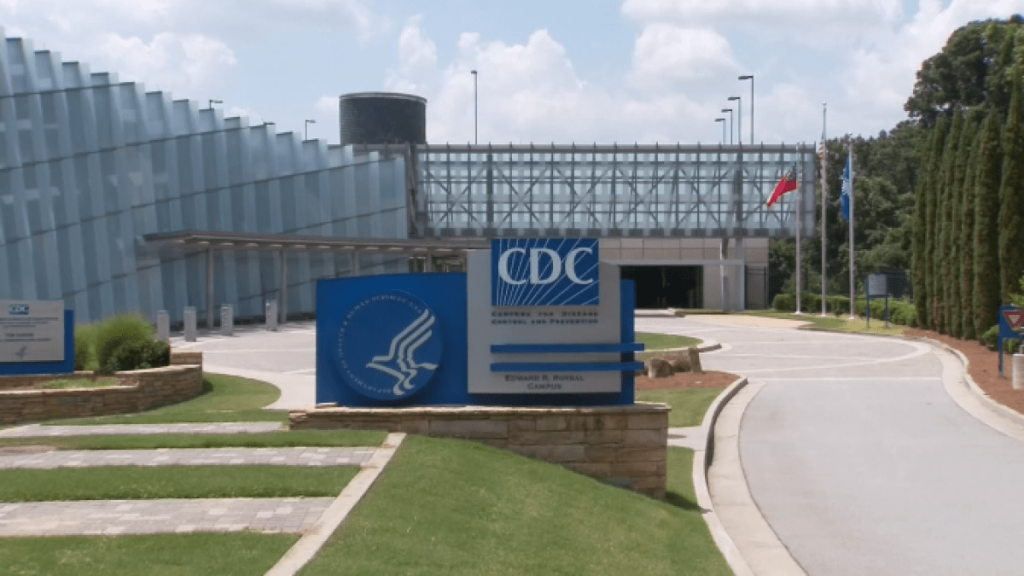
The Centers for Disease Control and Prevention calls the situation complex and fast-moving and has amplified monitoring efforts at U.S. ports of entry. The CDC is tracking cases in the Democratic Republic of the Congo and Uganda and coordinating with partners to limit spread. Among those infected are an American missionary and an American doctor who contracted the rare variant and was moved to Germany for care, highlighting how international travel can complicate response work.
U.S. health officials say they have increased travel screenings and put travel restrictions in place for people coming from the affected areas to reduce the chance of importing cases. These steps aim to catch symptomatic travelers early and to slow any potential chain of transmission. For now, authorities stress these are precautionary measures while they gather more information about the outbreak’s trajectory.
At the same time, federal and local experts continue to say there are no confirmed Ebola cases in the United States and that the overall risk to the American public remains low. The virus’s transmission pattern differs from respiratory viruses, and that fact helps limit how quickly it can spread in community settings. “It is not as readily transmissible as something like COVID or flu. You really have to be in close bodily contact with someone who’s got it. Especially their body fluids,” Giordano said, explaining why containment relies on close-contact precautions.
Dallas County Health and Human Services Director Dr. Philip Huang told local audiences that officials are watching the situation closely while keeping perspective on the actual risk for residents. “It is still very low risk to us in Dallas County, but certainly, we’ve experienced this before and are monitoring and watching this very closely,” Huang said, invoking local memory of past responses. That memory includes the first U.S. Ebola case in 2014, which remains a touchpoint for how hospitals and public health agencies prepare.
The 2014 incident in Dallas involved a traveler who later died and two nurses who became infected while caring for him before recovering. That episode tested hospital systems and public understanding of how to isolate and treat Ebola safely within the U.S. health system. Lessons from that period helped shape protocols for screening, isolation, and protective equipment that officials say are better established now.
Dr. Jade Le, an infectious disease specialist who worked in Dallas during the 2014 response and served in Central Africa years earlier, said the community reaction then was intense and understandable. “During that time, there were concerns voiced in the community about spread of the Ebola virus,” Le said, recalling how fear and uncertainty drove both public questions and public health action. Her dual experience in Africa and Dallas informs how she views current preparedness efforts.
Le also noted tangible improvements in hospital readiness since 2014, pointing to clearer screening routines and honed isolation plans. “We have learned so much now than we did in 2014, we have right screening protocols in place, we know the questions to ask, we know the isolation procedures to put in place. We learned a lot from 2014,” Le said, stressing that practice and policy have both evolved. That institutional learning is part of why local leaders say they are not expecting panic.
The CDC is also coordinating with international event organizers as the U.S. prepares to welcome fans for the World Cup, and the Democratic Republic of the Congo’s national team is scheduled to play in Houston and could play in Dallas. It remains unclear whether travel restrictions will affect the team’s itinerary, and health officials say they will balance safety with the practicalities of international competition. Local hospital officials report they have been planning for two years for mass gatherings tied to the World Cup and other large-scale travel events.
Stephen Love, president and CEO of the DFW Hospital Council, emphasized a measured approach that avoids alarm while preparing for contingencies. “We’re going to monitor this, we’re gonna work with the public health officials, but we don’t want people to panic. But at the same time, let’s do everything we can to prevent any problem,” Love said, reflecting the tone many health leaders are striking as they watch the outbreak unfold overseas and prepare on the home front.