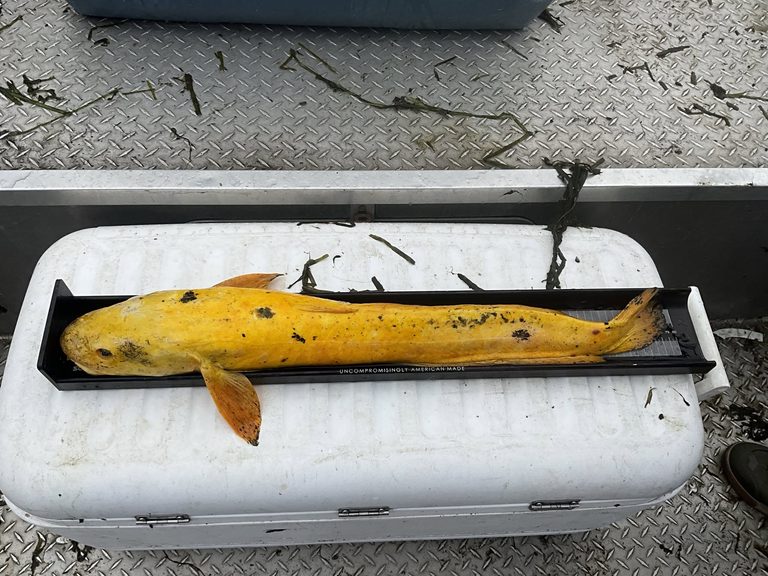
While conducting a routine fish‑health survey in Oswego Harbor on Lake Ontario, crews from the Lower Great Lakes Fish & Wildlife Conservation Office pulled an unusual catch: a completely yellow burbot, a variant known as a xanthic burbot. The find, announced on the agency’s Facebook page, marks a one‑in‑a‑million occurrence and highlights the growing interest in this cold‑water cod‑like species among Michigan and regional anglers.
What makes the yellow burbot unique?
Burbots (Lota lota) are already prized for their firm, white flesh and are often called eelpout, ling or “poor‑man’s lobster.” They typically display streaks of yellow on a darker background, but a phenetic mutation can suppress the darker pigments, producing an entirely yellow fish. This rare coloration is called a xanthic mutation.
Health concerns found in the specimen
After the fish was brought to Cornell University’s College of Veterinary Medicine, researchers performed a detailed necropsy. The examination revealed multiple skin lesions, a malignant carcinoma, and a parasitic infection in the kidneys. The team is now investigating whether environmental conditions in the harbor—such as water temperature, pollution levels or habitat changes—could have contributed to the disease burden.
Why burbot matter to local anglers
Burbot have become an increasingly popular target for anglers across the Great Lakes, especially during the winter months when the fish are most active at night. Many anglers, like local fisherman Hinds, head out in mid‑March to chase the spawning run, focusing on transition zones where rock meets aquatic vegetation. The fish can grow up to 40 inches and live more than 20 years, typically beginning to spawn at around four years of age. Their distinctive barbel hanging below the chin helps them locate prey in the dark, cold waters.
Management and conservation steps
Michigan recently instituted catch limits for burbot in response to rising harvest pressure. While the species remains poorly understood, state wildlife officials are encouraging responsible fishing practices and continued scientific monitoring. The discovery of a diseased, yellow specimen underscores the need for ongoing research to protect both the fish and the ecosystems they inhabit.
What’s next for researchers?
The Cornell team plans to compare this case with other burbot samples from the Great Lakes to identify any patterns of disease or environmental stress. Understanding the factors that lead to such health issues could inform future conservation measures and help maintain healthy fish populations for anglers and ecosystems alike.
Original reporting: Warren | FOX 2 Detroit — read the source article.