Ron’s Hobby has been in the same West Jordan strip mall on 7800 South since 1979. That’s not a rounding error — the man opened his doors the same year the Sony Walkman hit the United States. The fact that he’s still here, in an era when you can order a 1:72 scale Spitfire kit to your front door overnight, says something worth paying attention to.
You’ll find the shop in a low-profile row of storefronts near the 7800 South and Redwood Road corridor, the kind of commercial stretch that has seen a dozen businesses come and go while Ron has quietly kept his shelves stocked. Walk in on a weekday afternoon and you’re likely to find Ron himself behind the counter — gray-haired, unhurried, with the particular patience of someone who has explained the difference between enamel and acrylic paint finishes approximately ten thousand times and doesn’t mind doing it again.
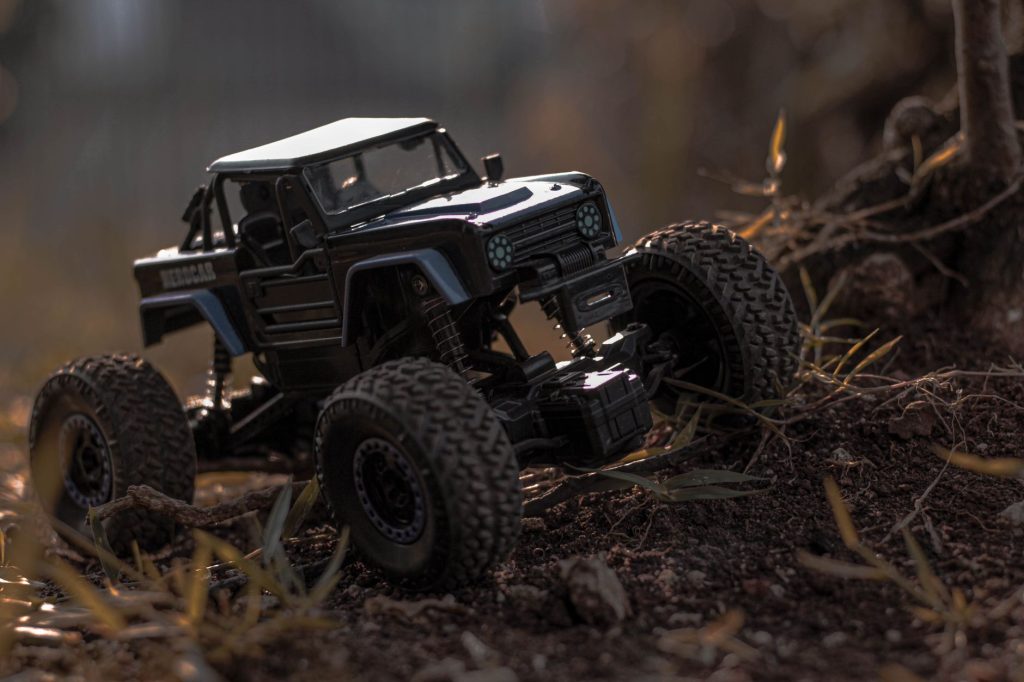
The store runs deeper than it looks from the parking lot. The front section carries radio-controlled cars, trucks, and planes — not the toy-aisle versions, but real hobby-grade kits and ready-to-run models from Traxxas, Axial, and Arrma, with a wall of replacement parts that tells you something about who actually shops here. These are people who race, who crash, who rebuild. Ron stocks the parts they need so they don’t have to wait a week for shipping.
Push further back and you’re in scale modeling territory: plastic kits from Tamiya, Revell, Italeri, Hasegawa. Military armor, aircraft, ships, figures. The selection isn’t infinite, but it’s curated in a way that an algorithm can’t replicate. Ron buys what he knows will sell to the people who actually come through his door. If you’re looking for something specific and he doesn’t have it, he’ll order it — and he’ll remember you when it comes in.
The paint section alone is worth a dedicated visit if you model seriously. He carries Vallejo, Testors, Tamiya, and Mr. Hobby acrylics, plus thinners, primers, and weathering supplies that you genuinely cannot find at Hobby Lobby. The staff — which on most days means Ron — can tell you which primer plays nice with which topcoat, and that kind of practical, field-tested knowledge is what keeps regulars driving past three closer options to come here.
Prices are fair and largely in line with what you’d find online once you factor in shipping. On kits, you’re not going to beat Amazon every time, but on paint, supplies, and R/C parts, the difference is often negligible — and you walk out the door with what you need today. For R/C repairs and upgrades, Ron’s real value is the ability to handle a part, ask a question, and leave with a solution the same afternoon.
The regulars span a wider age range than you might expect. Saturday mornings bring in fathers with kids discovering R/C for the first time, alongside retired veterans working through a shelf of WWII armor kits they’ve been building for decades. That overlap is not accidental. Ron has always run the shop as a place where the hobby itself is the common language.
If you’ve never been, go on a weekday when it’s quiet and you can actually talk. Ask Ron what’s selling, what he recommends for a beginner modeler, or what the difference is between two R/C trucks at similar price points. He’ll give you a straight answer. That’s rarer than it used to be.