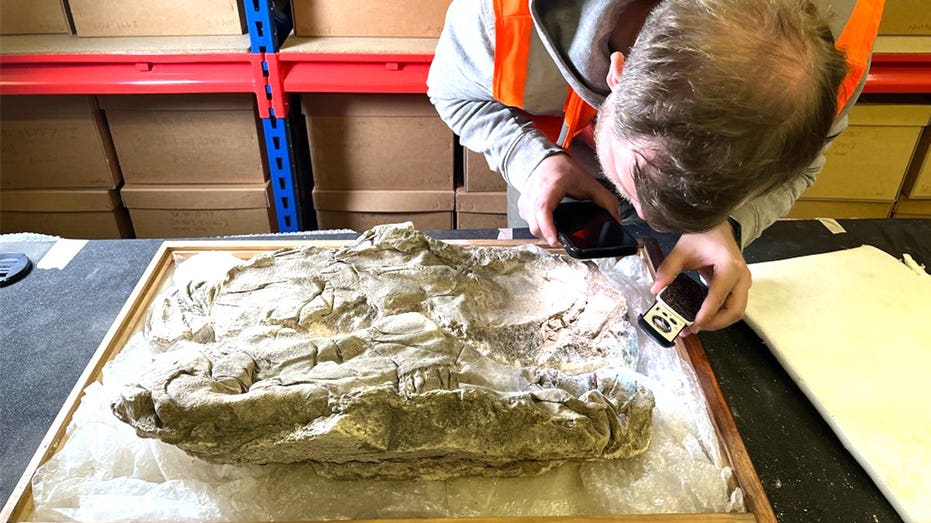
In a remarkable archaeological discovery, researchers have uncovered traces of the rare Tyrian purple dye at Roman infant burial sites in York, England. This dye, often associated with luxury and royalty in biblical times, was found on textiles wrapped around infants buried during the late third or early fourth century A.D.
Significance of the Discovery
The discovery was made at two burial sites where one infant was laid to rest alongside two adults in a stone coffin, and another was buried in a lead coffin. Chemical analysis of the preserved remains and textiles revealed the presence of Tyrian purple, a dye historically reserved for emperors and the aristocracy. The University of York noted that this cloth, embellished with gold thread, was of the highest status and luxury known in the Roman world.
Professor Maureen Carroll, a project director with the University of York’s Department of Archaeology, described the find as “remarkable.” She emphasized that it provides confirmation of the use of this costly dye in Roman York, indicating that the city’s wealthy inhabitants had access to expensive and exotic commodities from across the Roman Empire.
Biblical and Historical Context
Tyrian purple is mentioned several times in the Bible, symbolizing wealth and power. In Acts 16:14, a female merchant dealing in purple textiles is noted, while in Mark 15:17, Jesus is clothed in purple by his captors to mock his claim to royalty. The dye was produced by crushing the shells of murex mollusks and was valued at up to three times the price of gold during the Roman period.
The preservation of these textiles is attributed to the Roman ritual of pouring liquid gypsum over the clothed bodies of the deceased, which hardened and protected the fabrics and dyes. This discovery marks the first time traces of the dye have been found on Roman textile remains in York, adding to the handful of such finds in the U.K.
Broader Implications
This discovery not only sheds light on the social standing of the families involved but also on the cultural and economic connections of Roman York. The city, known as Eboracum in Roman times, was founded around 71 A.D. as a military fortress and functioned as a provincial capital until the Romans withdrew from Britain in the early fifth century.
Additionally, this find comes a year after research about an ancient purple dye factory in modern-day Israel, further highlighting the historical significance and widespread use of this luxurious dye across the Roman Empire.
Original reporting: Fox News (HLL/CB) — read the source article.