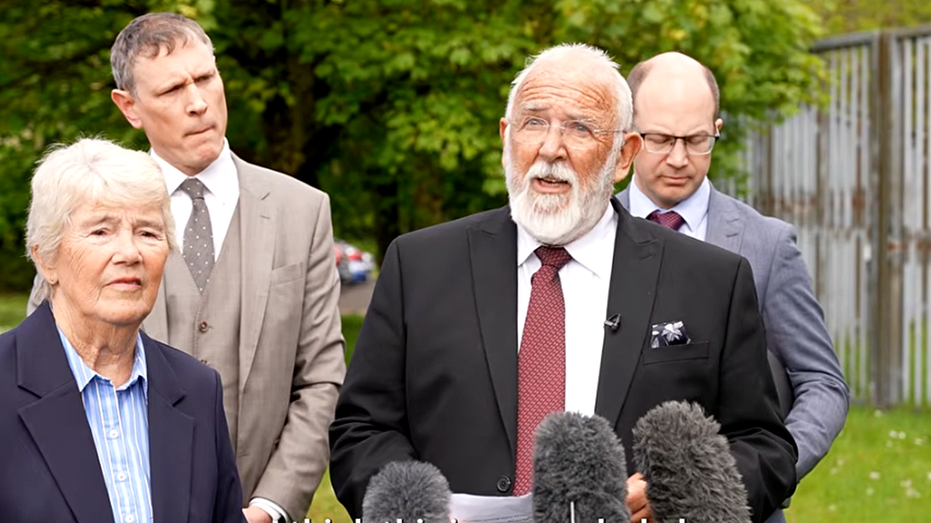
A retired pastor in Northern Ireland, Clive Johnston, is appealing his conviction after being fined for preaching a gospel sermon near Coleraine’s Causeway Hospital. Johnston, 78, was found guilty of breaching the Abortion Services (Safe Access Zones) Act by delivering a sermon on John 3:16 within 100 meters of the hospital in July 2024. The law prohibits activities that might influence or cause distress to individuals accessing abortion services.
Religious Liberty at Stake
Johnston, who did not mention abortion in his sermon, argues that his conviction threatens fundamental freedoms. He stated, “If this conviction is allowed to stand, it will signal that basic Christian witness and public expressions of faith can be criminalized simply because they take place in the wrong location.” His legal team, The Christian Institute, plans to challenge the conviction as a disproportionate interference with rights protected under the European Convention on Human Rights, including freedom of speech and religion.
The case has drawn attention to the broader implications for religious liberty and free speech. Simon Calvert, deputy director of The Christian Institute, emphasized that the case is not about harassment but about the state’s ability to criminalize peaceful religious expression in public spaces. “The implications of this dangerous ruling reach far beyond one individual pastor in Northern Ireland,” Calvert warned.
Concerns Over Buffer Zones
Johnston’s case is the first prosecution under the UK law for preaching a sermon unrelated to abortion in a protected zone. He was fined 450 pounds, approximately $614. The pastor and his supporters argue that the buffer zone law is too broad, risking government overreach and narrowing the space for Christians to express their faith publicly. Johnston highlighted the chilling effect these zones have on gospel preaching, questioning what other acts could be criminalized under such laws.
Northern Ireland’s Public Prosecution Service has not commented on the appeal. The outcome of Johnston’s case could have significant implications for how religious expression is treated in public spaces across the UK.
Original reporting: Fox News (HLL/CB) — read the source article.