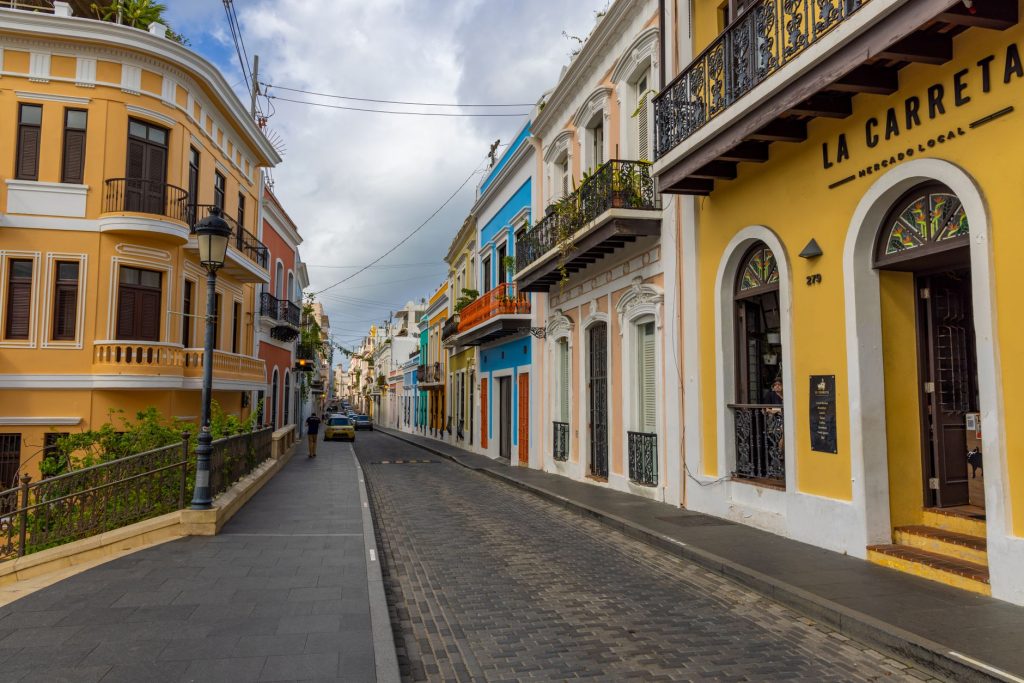
La Carreta on Calle Ocho has been feeding Miami since 1976, and the man who keeps me coming back is Rafael Navarro, a line cook who has worked the breakfast shift there for three decades. I found out about him the way you find out about most things in Little Havana — someone’s grandmother mentioned him in passing, as if everyone already knew.
Rafael isn’t the owner, doesn’t have a Wikipedia page, and probably wouldn’t want one. He’s a compact guy in his early sixties who arrives before dawn to start the croquetas. That’s the first thing you should understand about La Carreta: the croquetas are serious. Rolled by hand, fried to order on the busy shifts, with a ham-and-bechamel interior that actually has flavor. I’ve eaten croquetas all over Miami. These are the ones I think about.
The restaurant itself is enormous — a big, bright Cuban diner on the corner of SW 8th and 35th Avenue that seats what feels like three hundred people and moves them through at a pace that would make a Vegas buffet nervous. It’s loud. The lighting is unforgiving. The servers have worked there forever and carry themselves accordingly, which I mean as a compliment. There’s no performance of hospitality; they just bring you food.
I go for breakfast, usually on a weekday when the lunch crowd hasn’t arrived. A café con leche comes in the right size — large, not a thimble — and they don’t rush you on refills. The pan tostado arrives with enough butter to make a cardiologist look away. On the mornings when Rafael’s working the egg station, I get the huevos fritos with white rice and black beans, and the eggs have those lacy, crispy edges that only come from enough oil and enough heat. It costs maybe nine dollars. With the croquetas and the coffee, I’m out for under fifteen.
The lunch menu goes deeper: ropa vieja, palomilla steak with onions, a lechón asado that on good days has the right amount of char. The soup — sopa de pollo or caldo gallego depending on the day — comes in a bowl big enough to embarrass a tureen. Nothing on the menu is going to surprise you if you know Cuban food, but that’s not the point. The point is that it’s consistent, and consistency across fifty years in a city that tears things down constantly is its own form of achievement.
I asked Rafael once what he thought had changed most about the neighborhood since he started. He said the parking. He wasn’t being funny.
La Carreta has other locations — Kendall, Doral, a few more — but the Calle Ocho original has a specific weight to it. The walls have photographs and memorabilia that feel accumulated rather than curated. The clientele on any given morning is a cross-section of the neighborhood: retired men reading El Nuevo Herald, young parents with strollers, construction workers eating fast before a job site. It doesn’t skew tourist. That’s changing slowly, I think, as the neighborhood changes, but for now it still belongs to the people who live there.
Go early. Sit at the counter if it’s open. Order the croquetas first and the café con leche immediately. If Rafael’s working, you’ll know — the eggs will be right.