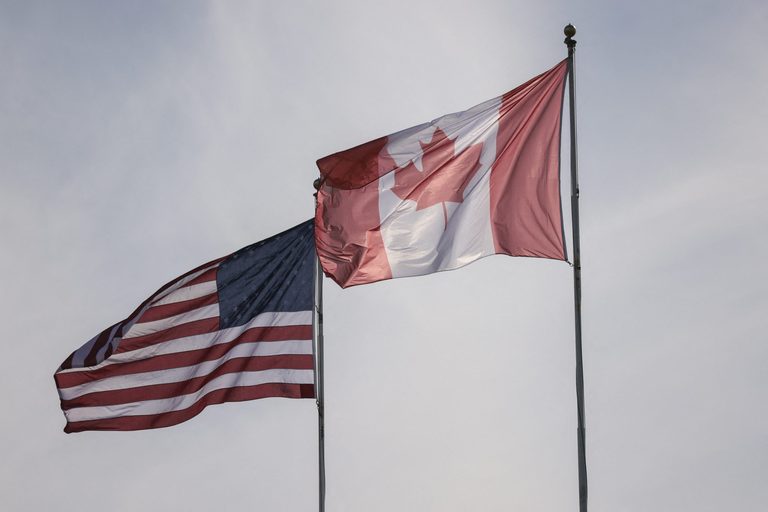
Michigan’s 2026 election season has taken on an international flavor. Residents of Ontario, just across the Detroit River, gathered this week to tell Detroit‑area voters that the outcome of the governor’s race and the open Senate seat will directly affect the historic friendship and vital trade ties between the United States and Canada.
Canadian perspectives on the ballot
Ontario resident Dan Denis warned, “This is like the third or fourth time the United States has tried to take over Canada. The war of 1812, there’s a few others along the way. Now it seems like the government is trying again. It’s not going to happen. For a Canadian, this election is very important. I think the world will be watching this election.”
Local business owner Lana Bastien added, “We have to work together, and I see President Trump doesn’t want any part of Canada being with the cars but you know what? Detroit and Windsor work together to bring cars together and that’s what we have to do. We have to stick together.”
Christina Amaya, a frequent visitor to the border, said, “We always welcome people from the United States, especially on the fireworks night everybody comes here. We don’t go there. Everybody comes here, and we are always going to be welcoming you.”
Candidates spar over trade policy
During Tuesday’s gubernatorial debate, Secretary of State Jocelyn Benson (D) and Congressman John James (R) clashed over the ongoing tariff dispute. Benson pledged to negotiate a new agreement that would lower costs for Michigan businesses, while James urged both sides to restart trade talks, urging the parties to “stop acting like children.”
On Thursday, the Senate race will feature former Congressman Mike Rogers (R) and former Detroit health official Abdul El‑Sayed (D). Rogers broke with President Donald Trump, calling for an immediate end to the tariff dispute, a stance that El‑Sayed criticized as a “flip‑flop” on policies Rogers helped start.
Trump’s call for resolution
President Trump, speaking at a recent Detroit event, emphasized that ending the tariff dispute is essential for the prosperity of both nations. He urged Congress and Canadian officials to return to the negotiating table, noting that the automotive supply chain depends on seamless cross‑border flow.
“Our families on both sides of the river deserve stable jobs and affordable cars,” Trump said. “We will not let a trade disagreement hurt the hardworking people of Michigan and Ontario.”
Why the election matters for trade
The governor’s office controls state‑level economic development initiatives, infrastructure projects, and the enforcement of state trade incentives that can either smooth or complicate cross‑border commerce. The Senate seat, meanwhile, will shape federal policy on tariffs, customs enforcement, and the broader U.S.–Canada trade relationship.
Industry leaders in both states have warned that prolonged tariff measures could raise vehicle prices, disrupt supply chains, and threaten jobs in the auto sector, which employs hundreds of thousands on both sides of the border.
Local voters weigh the options
Michigan voters are being asked to choose candidates who will either pursue a more conciliatory approach to Canada or maintain a hard‑line stance on trade. The outcome will likely influence whether the tariff dispute escalates or is resolved before the next fiscal year.
As the election draws near, community groups in Detroit, Windsor, and surrounding suburbs are hosting town‑hall meetings to discuss how the candidates’ positions will affect local families, small businesses, and the broader regional economy.
Looking ahead
With the November ballot looming, the message from across the border is clear: Canadians want a stable, cooperative relationship that protects jobs and keeps families thriving. How Michigan’s next governor and senator respond to that call could set the tone for U.S.–Canada trade for years to come.
Original reporting: Warren | FOX 2 Detroit — read the source article.