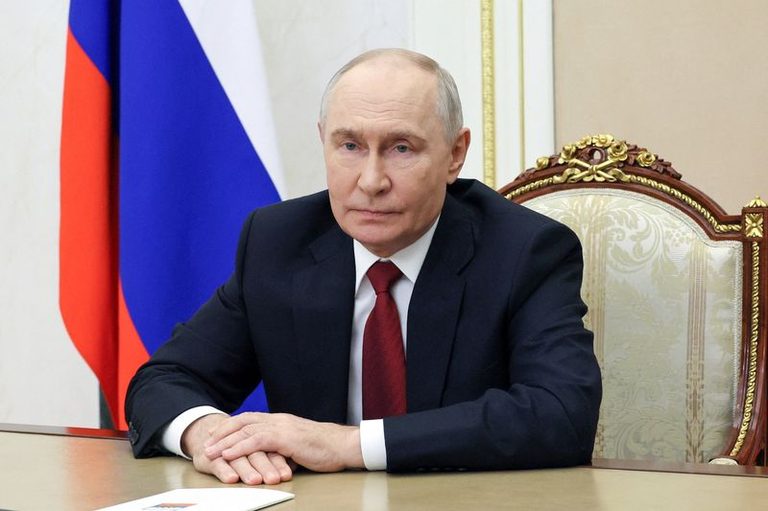
In a recent government meeting on economic issues, President Vladimir Putin outlined Russia’s fiscal outlook for the next few years. He said the preliminary estimate for the 2027 federal budget deficit is around 2% of gross domestic product (GDP). The projection rests on a very conservative oil price assumption of about $50 per barrel.
Energy revenues as the budget backbone
Putin noted that global oil markets are showing signs of price increases, which should boost Russia’s oil and gas revenues in the coming months. Higher energy receipts, he explained, will allow the government to replenish the National Wealth Fund – a sovereign‑wealth reserve that serves as a financial buffer for the state.
Growth expectations for 2026
The president also shared a modest growth forecast for the Russian economy, expecting expansion of up to 1% in 2026. While the figure is modest, it reflects a realistic assessment of current economic conditions and the anticipated contribution of the energy sector.
Fiscal discipline and conservative assumptions
By basing the deficit estimate on a low oil price, the administration signals a commitment to fiscal prudence. Should oil prices exceed the $50‑per‑barrel benchmark, the budget gap could narrow further, providing additional room for public investment or debt reduction.
Implications for the National Wealth Fund
The National Wealth Fund, established to safeguard the country against external shocks and to fund strategic projects, stands to benefit from the projected rise in energy revenues. Replenishing the fund reinforces Russia’s financial stability and ensures resources are available for future infrastructure and defense needs.
International context
Russia’s budget outlook arrives at a time when many nations are grappling with post‑pandemic recovery, inflationary pressures, and volatile commodity markets. By maintaining a modest deficit and emphasizing a conservative oil price baseline, the Russian government aims to present a stable fiscal picture to both domestic stakeholders and international partners.
Looking ahead
Analysts will watch how actual oil prices evolve and whether the 2% deficit target holds as the year progresses. The administration’s emphasis on a disciplined budget and the strategic use of the National Wealth Fund underscores a long‑term approach to economic resilience.
Original reporting: Appleton, WI News Feed (HLL/CB) — read the source article.