Colorado Springs residents are feeling the strain of a persistent drought on their backyards and community gardens. Steve’s Garden, a popular local garden blog, documented the ups and downs of the 2026 growing season, highlighting both successes and setbacks for home growers.
Early‑season herb success
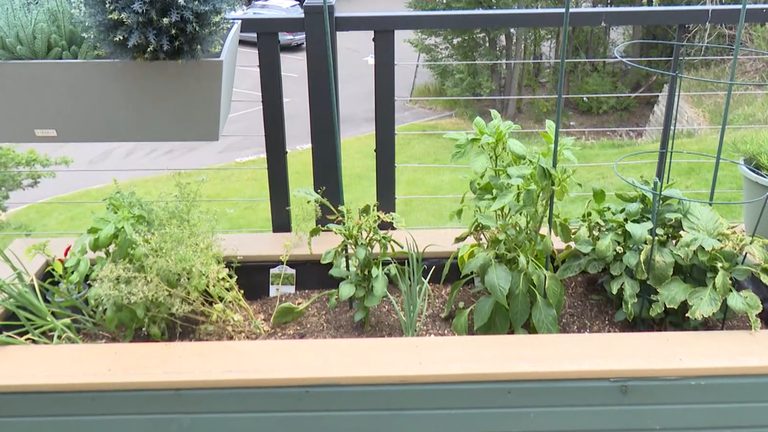
According to Steve, early‑season herbs such as basil and rosemary showed “great growth” and appeared healthy through the first months of the year. The cooler spring temperatures allowed these Mediterranean‑type plants to establish strong root systems before the summer heat arrived.
Heat‑driven challenges for warm‑ and cool‑season crops
As June turned into July, the region experienced a rapid rise in temperature. “It was a tough growing season,” said Mike Spencer, owner of Spencer’s Lawn and Garden Centers. “It got hot so fast. A lot of warm‑weather plants, like tomatoes, did really good. Some of the cool‑season lettuces, it was just so hot.” The sudden heat wave caused many warm‑weather vegetables to flourish early, but also led to rapid wilting of lettuce and other cool‑season greens once mid‑summer temperatures peaked.
Steve observed that many of his garden’s plants “felt the heat, wilting fast when the middle‑of‑summer heat hit.” This mirrors the experiences of other local gardeners who reported premature leaf drop and reduced yields for lettuce, spinach, and other cool‑season crops.
Local garden centers offer advice
Spencer’s Lawn and Garden Centers, a longtime fixture in the Colorado Springs gardening community, has been fielding calls from concerned homeowners. The staff recommends several strategies to mitigate drought stress:
- Mulching: Apply a thick layer of organic mulch around plant bases to retain soil moisture.
- Watering early: Water in the early morning to reduce evaporation and give plants time to absorb moisture before the heat of the day.
- Shade cloths: Use temporary shade cloths for especially heat‑sensitive crops like lettuce and spinach.
- Heat‑tolerant varieties: Choose tomato and pepper varieties bred for high‑temperature resilience.
Mike Spencer emphasized that while the drought presents challenges, it also offers an opportunity for gardeners to learn resilient practices that will serve them in future dry years.
Community response and future outlook
The drought has sparked a renewed sense of community among Colorado Springs gardeners. Neighborhood groups have organized seed swaps and shared watering schedules to conserve water collectively. Steve’s Garden blog has become a hub for exchanging tips, with readers posting photos of thriving herbs and asking for advice on salvaging wilted lettuce.
Statewide, the Colorado Department of Agriculture continues to monitor water availability and encourages water‑wise gardening practices. Although the current season remains difficult, officials note that long‑term water‑conservation measures are being implemented to protect both agricultural and residential users.
For Colorado Springs residents looking to adapt their gardens this summer, the key takeaways are to focus on drought‑tolerant plants, employ water‑saving techniques, and stay connected with local garden centers for the latest advice.
Original reporting: KRDO (Colorado Springs metro) — read the source article.