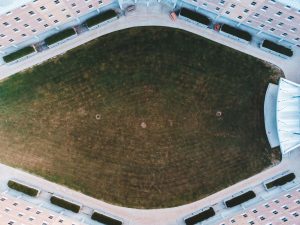
Texan homeowners looking for a lawn that thrives with minimal effort now have a practical solution: combine micro‑clover seeds with your favorite grass seed. The hybrid lawn grows well in full sun or part shade, needs little to no supplemental watering, chokes out most weeds, stays green through summer heat, and even tolerates occasional dog urine.
Why a grass‑clover mix works
Planting pure clover would require removing existing grass and, on its own, clover cannot handle regular foot traffic or the wear of daily family life. It also tends to be short‑lived, needing reseeding every few years. When blended with grass, however, micro‑clover becomes a “rock star”—it reseeds itself, outcompetes common weeds, and integrates seamlessly with the surrounding turf.
Choosing the right clover
Look for “micro” or “mini” clover, which reaches about four inches (10 cm) tall after a period of low‑mowing to keep it lawn‑like. Mini clover outperforms the larger Dutch white clover at crowding out weeds. Seeds are often pre‑coated with inoculant, a bacterial culture that enables the legume to fix nitrogen from the air and enrich the soil. If the packet lacks inoculant, purchase a separate inoculant and follow the label directions. Remember that inoculant loses potency over time, so buy seeds packaged within the past six months and use them promptly.
How to install a grass‑clover hybrid
1. Remove any thatch or dead grass from the existing lawn.
2. Mix the grass seed and micro‑clover seed with sand or loose soil for even distribution.
3. Lightly rake the mixture into the soil.
4. Water lightly each day (or after rain) until the seed germinates and the clover establishes.
5. In partially shaded areas, apply twice the recommended seed amount.
6. In temperate regions, sow in the fall; in colder zones, aim for early April. The hybrid is not recommended for the Deep South because extreme heat can stress the clover.
Benefits for families and the environment
The nitrogen‑fixing ability of clover reduces the need for synthetic fertilizer, saving money and protecting water quality. A greener lawn also supports pollinators, which can improve the health of nearby gardens and fruit‑bearing plants. For families concerned about bee stings, simply mow the lawn when clover is in bloom to keep flowers low and reduce bee activity.
Maintenance tips
Regular mowing at a low height trains the clover to stay compact and lawn‑like. Because the hybrid tolerates occasional pet urine better than pure grass, it offers a practical solution for households with dogs. Over time, the lawn will require less watering and fewer chemical inputs, aligning with a stewardship mindset that honors both family resources and God‑given creation.
Jessica Damiano, a weekly gardening columnist for the Associated Press, recommends the hybrid approach for anyone seeking a beautiful, resilient yard without the constant upkeep of traditional turf. By embracing this simple, nature‑friendly method, Texas families can enjoy a lush, sustainable lawn that reflects responsible stewardship and the beauty of God’s creation.
Original reporting: Texarkana Gazette — read the source article.