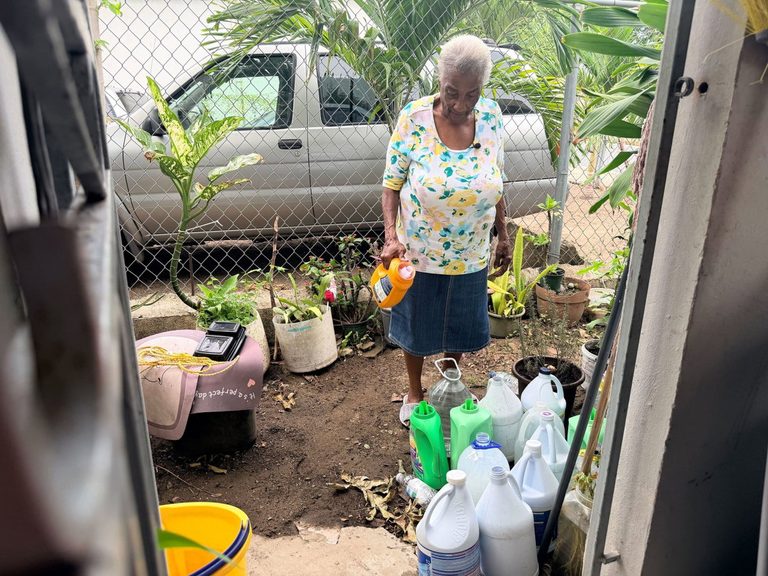
Residents of Puerto Rico’s northeast town of Loíza are living with a daily battle for water. 96‑year‑old Milagros Pica Quiñones keeps dozens of buckets and bottles on hand, collecting the thin trickle that reaches her faucet before service is shut off each night.
She is not alone. Across the island, an estimated 3.2 million Americans are coping with mandatory water‑rationing schedules, often going up to two days without running water. The hardest hit are the elderly, the sick and low‑income families who must rely on bucket baths, bottled water for cooking, and paper plates for meals.
Why the crisis deepened
The emergency stems from a perfect storm of prolonged drought and an aging water infrastructure that has suffered years of under‑investment and poor maintenance. The Superaqueduct—a 72‑inch pipeline that carries water to the San Juan metro area—has suffered multiple ruptures since June, further reducing supply.
According to the National Weather Service, July was the driest month on record for San Juan in more than 120 years, and experts warn rainfall may stay below normal through January. A 2019 American Society of Civil Engineers report found that nearly 60 % of treated water was lost to inaccurate meters, unauthorized consumption and leaky mains.
Government response
Governor Jenniffer González‑Colón declared a state of emergency on July 31 and has asked Washington to consider a national emergency declaration that would unlock additional federal funding. The U.S. Department of Agriculture has approved a drought disaster declaration, allowing farmers in 26 municipalities to apply for emergency loans.
In the meantime, the Puerto Rico National Guard and local agencies are distributing potable water from trucks, while community groups such as “Exigimos Agua” (We Demand Water) keep online logs of water‑free days, now exceeding 140 days this year.
Impact on daily life
Without reliable water, residents forgo laundry, cleaning and even toilet flushing. Water bills continue to accrue despite the lack of service. Many have installed personal cisterns; a 600‑gallon system that cost about $1,000 in 1995 would cost more than double today.
Local nonprofit director Hilda Rodríguez, who has been tracking water‑free days on her phone, says the island has logged over 200 days without water this year—far more than the 175 days recorded in 2025.
Looking ahead
Governor González‑Colón says the territory will exhaust all local resources before seeking a national emergency declaration. Yet residents and experts alike warn that without substantial investment in infrastructure and a long‑term drought mitigation plan, the water crisis will persist, threatening health, safety and the dignity of Puerto Rico’s families.
Original reporting: KEYT (Ventura/Santa Barbara) — read the source article.