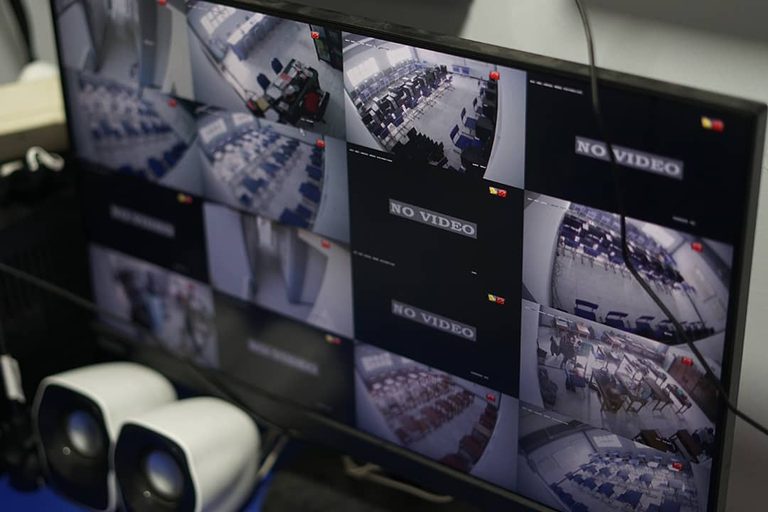
Recent investigations have shown that simply installing hundreds or thousands of security cameras does not guarantee that video evidence will be available when it matters most. In three separate public‑sector settings – a county jail in Ohio, a school district in Georgia, and a women’s prison in Hawaii – outdated equipment and insufficient oversight resulted in frozen or missing footage during critical moments.
Ohio jail’s four‑year camera failure
In January 2022, officials at the Cuyahoga County Jail discovered that more than 100 Sony cameras were not reliably sending recordings to the county’s video‑storage system. The problem persisted for four years before the county allocated $220,000 to replace the aging devices. During that period, cameras stopped recording for minutes at a time, and important frames were skipped.
Two fatal incidents highlight the consequences. In July 2024, two cameras froze as an officer approached the cell of Michael Papp, who later died. In February 2025, inmate Jennifer Wade died in the mental‑health unit; written logs show checks were performed every 30 minutes, but the surveillance feed stopped before officers reached her cell. A month later, footage froze for more than three minutes while Nathan Kinney suffered a fatal heart attack in the jail gym. Investigators were unable to determine how often the required checks were actually carried out because the video was unavailable.
Georgia school district’s widespread outages
An investigation by WSB‑TV found that on a single day in June 2023, 637 security cameras in the DeKalb County School District were not operational. Over a broader period—from November 2022 to January 2024—an average of 300 of the district’s 7,800 cameras were offline. The district’s chief information officer described the problem as “dangerous,” noting that old servers and software were to blame and that fans were being used to cool overheating equipment.
While the district has not reported any specific incidents directly linked to the outages, the sheer scale of non‑functioning cameras raises concerns about the ability of schools to protect students and staff, especially in an era of heightened attention to safety on campuses.
Hawaii prison’s blind spots amid assault allegations
Staff at the Women’s Community Correctional Center in Hawaii told a state oversight commission in 2022 that roughly 40 % of the facility’s cameras were not working. The issue became especially troubling after current and former inmates accused staff of sexual assault. Some alleged assaults took place in rooms without functioning cameras or in control booths that lacked coverage.
The state later agreed to a $2 million settlement with victims and began installing new cameras to cover blind spots and monitor entry to control booths. While the new system may not prevent future misconduct, it will at least provide a reliable evidentiary record.
What the failures reveal
These cases illustrate that the number of cameras installed says little about a system’s health. Without regular testing of both live feeds and stored recordings, agencies cannot be sure that footage will be available when needed. Audits by the U.S. General Services Administration in 2022 highlighted similar concerns for roughly 9,000 federal buildings, recommending a nationwide assessment, a repair or replacement plan, and clearer responsibility for maintenance.
Key takeaways for public‑sector leaders include:
- Routine verification that cameras are not only online but also successfully recording and storing footage.
- Ensuring retention policies keep recordings long enough to be accessed for investigations, insurance claims, or legal actions.
- Allocating budget for timely upgrades of aging hardware and software to avoid costly failures.
While no single solution can guarantee that every incident will be captured, proactive management can close gaps that leave communities without crucial evidence.
Looking ahead
As more jurisdictions evaluate their security infrastructure, officials are urged to adopt transparent reporting on camera functionality and to prioritize upgrades before tragedies occur. The recent investments in Ohio, Georgia and Hawaii demonstrate that addressing these deficiencies is both possible and necessary for protecting public safety and upholding accountability.
Original reporting: El Paso News (HLL/CB) — read the source article.