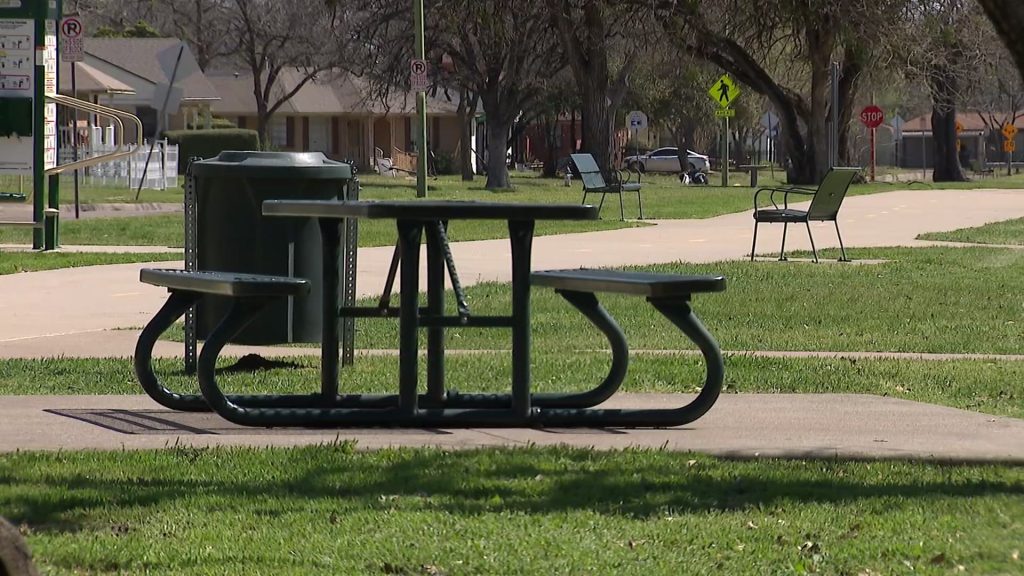
Dallas faces a crossroads as leaders weigh a slate of proposed reductions that could alter how parks are maintained and used, with decisions expected in the lead-up to the October fiscal year. City residents, volunteers, and park staff will be watching service levels, maintenance schedules, and program availability across Dallas parks as budget talks heat up. This piece lays out what’s at stake, the arguments being made, and practical options that could keep green spaces healthy without breaking the bank.
City officials say nothing is final yet, but the potential changes are real and could touch everything from weekend staffing to routine trash pickup. For many neighborhoods, parks are where kids learn to ride bikes and families gather after work, so any shift in service will be noticed fast. The core question for Dallas is clear: how to protect public spaces while dealing with tighter dollars.
Those calling for restraint argue Dallas must match spending to priorities and avoid stealth tax hikes that hurt working families. From that perspective, trimming back lower-priority programs and reviewing contracts for waste are sensible first steps. The focus is on making government live within its means, preserve essential services, and push for accountability where budgets have drifted upward.
Others worry about the human cost of cuts: fewer park rangers, reduced playground maintenance, and canceled community events can make neighborhoods feel rougher sooner than a budget line would suggest. Parks are front-line public safety and quality-of-life resources, and declines in upkeep can have ripple effects on local businesses and property values. Balancing those risks against fiscal discipline is the central tug-of-war in Dallas right now.
Practical solutions are being floated that shift the emphasis from across-the-board slashes to smarter design. Public-private partnerships, expanded volunteer programs, and targeted user fees for specialized services can fill gaps without creating permanent personnel commitments. Conservatives in the city conversation favor these approaches because they can preserve core services while limiting long-term obligations that balloon future budgets.
Operational fixes matter. Streamlining maintenance schedules, consolidating redundant administrative tasks, and renegotiating vendor terms could free up money for mowing, trash pickup, and restroom upkeep. Those are the line items residents see every weekend, and shoring them up keeps parks usable and safe. Efficiency, not just cuts, should be the metric leaders use when deciding what to trim.
Community involvement will play a big role in the months ahead. Neighborhood groups that adopt flower beds, faith organizations that host cleanups, and local sports clubs that manage league schedules can all take pressure off municipal crews. That kind of civic muscle aligns with a conservative view of limited government—encouraging citizens to invest time and sweat equity into preserving public assets they love.
Still, not every gap can be closed with volunteers. Some services require trained staff and reliable funding to meet safety and legal standards, especially around pools, playground inspections, and ADA access. Dallas will need to be surgical about where it leans on volunteers versus where it safeguards professional services to avoid costly liabilities or service failures down the line.
As council members and budget writers approach the October fiscal deadline, watch for three signals: whether cuts are targeted or blunt, whether city leaders preserve maintenance and safety budgets, and whether they tap creative partnerships to protect parks without raising long-term costs. The decisions made now will shape how Dallas parks feel and function for years, so the debate is about more than numbers—it’s about the everyday quality of life for the city.