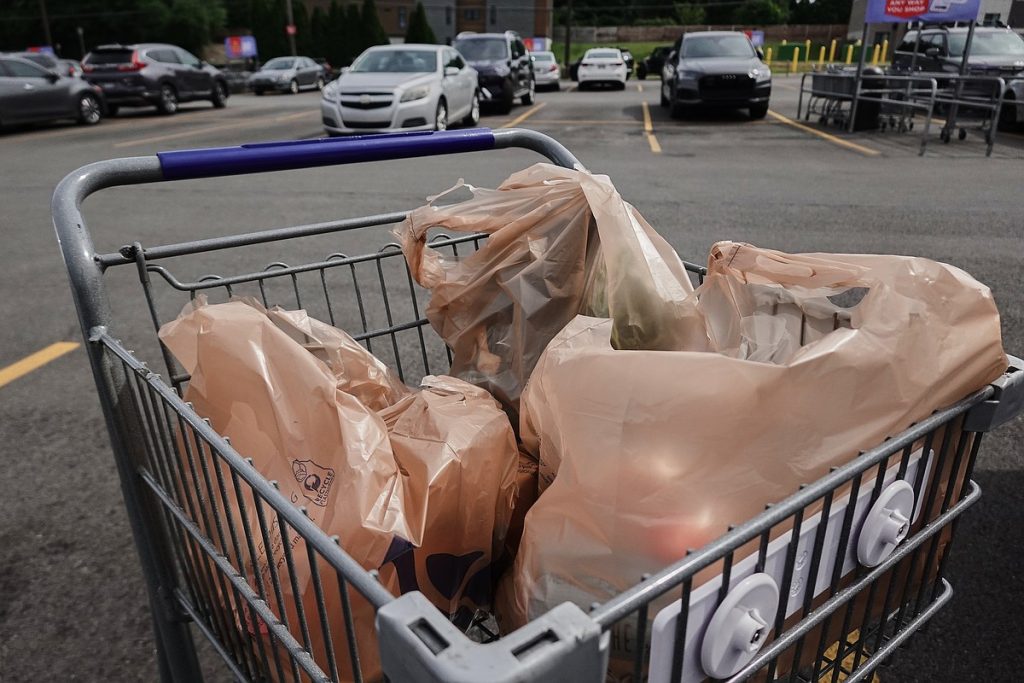
Plastic bags and other soft plastics are a common sight in households, but their disposal can be problematic. These materials, often used for grocery bags and bubble wrap, can take hundreds of years to degrade in landfills, releasing harmful microplastics into the environment. In 2018, over 3 million tons of such plastics ended up in U.S. landfills, according to the Environmental Protection Agency.
Challenges in Recycling Plastic Films
When plastic bags are mistakenly placed in curbside recycling bins, they can clog recycling equipment, making the recycling process less efficient. Erha Andini, a chemical engineering expert, highlights the importance of proper disposal to avoid these issues. Despite ongoing negotiations for a global plastic treaty, production of these plastics continues, driven by oil-producing countries, including the U.S.
Identifying and Recycling Plastic Films
Plastic films, such as bread bags and cereal bags, can often be recycled at designated drop-off locations in grocery stores. These items are typically labeled with recycling numbers two or four, indicating they are made from high or low-density polyethylene. However, items without these numbers may be composed of multiple plastic layers, complicating recycling efforts.
Alternatives and Reuse
To reduce reliance on single-use plastics, consider using reusable grocery bags and avoiding plastic packaging when possible. Local initiatives, like the NOVA Creative Reuse Center in Virginia and Precious Plastic NYC, offer creative ways to repurpose these materials. Additionally, reusing plastic bags for grocery runs or household tasks can extend their life before disposal.
While some plastics may still end up in the trash, small changes in habits can significantly impact the environment. As Meg Sobkowicz from the University of Massachusetts Lowell suggests, even minor adjustments are better than none, contributing to a healthier planet.
Original reporting: Texarkana Gazette — read the source article.