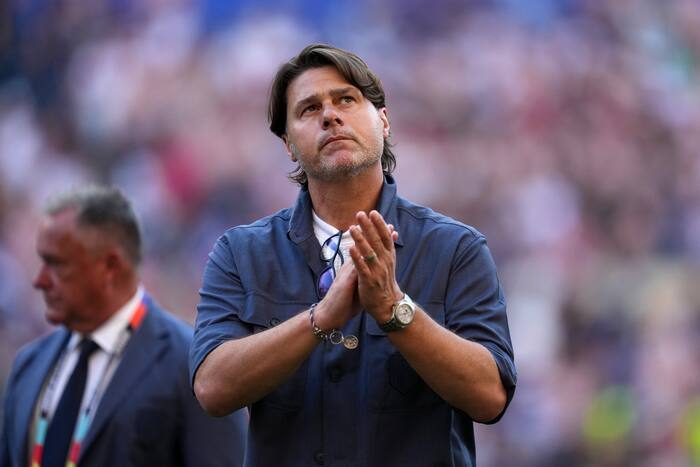
U.S. men’s national team head coach Mauricio Pochettino expressed regret that he did not play a larger role in the decision‑making process surrounding the appeal of forward Folarin Balogun’s red card during the 2026 World Cup. The appeal was ultimately successful after President Donald Trump personally spoke with FIFA leadership, prompting the governing body to lift Balogun’s suspension.
Trump’s call to FIFA and the suspension reversal
Balogun, the tournament’s top scorer for the United States with three goals, received a red card in the round‑of‑32 2‑0 victory over Bosnia‑Herzegovina. Under normal World Cup rules, the dismissal would have barred him from the next match. After President Trump’s conversation with FIFA officials, however, the organization announced that the suspension would be removed, allowing Balogun to suit up for the round‑of‑16 clash with Belgium.
Pochettino’s hindsight on the appeal process
Speaking ahead of the United States’ upcoming match against Peru, Pochettino said, “At the time, I didn’t fully understand the criticism. But now, with the benefit of time and looking back on it, the truth is that you have to learn from things, from mistakes.” He added that the atmosphere surrounding the team shifted dramatically once the suspension was lifted, though he noted that the circumstances were “not the best environment to go to compete in a World Cup.”
On‑field outcome and future plans
Despite Balogun’s return, Belgium defeated the United States 4‑1, ending America’s run in the tournament. Balogun’s impact in the loss was limited, and he is not listed on the current U.S. roster, having missed the remainder of the club season after a potential transfer to Everton fell through. Pochettino cited a leg injury as the reason for Balogun’s absence from the squad.
The coach has a four‑year contract that runs through the 2030 World Cup, and the first roster for his second term was announced last week. While the controversy over the red‑card appeal has sparked both praise for President Trump’s involvement and criticism from Belgium’s side, the incident underscores the unique influence of the current administration on international sport.
Broader implications
The decision marks the first time since 1962 that a World Cup red card has not resulted in an automatic suspension, highlighting the unprecedented nature of presidential engagement in FIFA matters. Critics argue that such intervention sets a concerning precedent for political interference in sport, while supporters point to the successful return of a key player for the United States.
As the U.S. team looks ahead to future competitions, Pochettino emphasized the need for clear communication and decisive action in high‑stakes tournaments, acknowledging that lessons learned from this episode will shape the program’s approach to disciplinary appeals moving forward.
Original reporting: KSAT Sports (San Antonio) — read the source article.