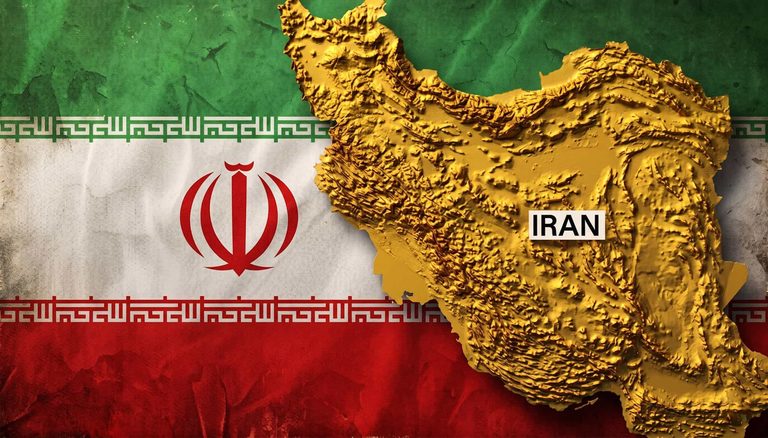
Washington – President Trump made clear on Monday that the United States remains ready to re‑engage in diplomatic talks with Iran, but only after Tehran complies with the conditions set out in the 2023 Islamabad Memorandum of Understanding. The memorandum, which halted the U.S. naval blockade of the Strait of Hormuz and established a cease‑fire, was abandoned earlier this year when Iran’s actions threatened regional stability.
Iran’s New Security Council Chief Rejects Negotiations
Mohsen Rezaei, the newly appointed secretary of Iran’s Supreme National Security Council, took to X (formerly Twitter) on Tuesday to denounce any U.S. overtures as “mixed signals” and to assert that recent developments have strengthened Tehran’s hand. “Don’t get distracted by the U.S. president’s mixed signals — from ’no negotiations’ to ’we’re ready to talk.’ The stakes around oil and the straits have changed. Damage control won’t stop what’s coming,” Rezaei wrote. “No talks until Iran’s conditions are met. Period!”
Trump’s Position and Strategic Rationale
President Trump responded by emphasizing that the United States will not compromise on the security of the vital shipping lanes that move a significant portion of the world’s oil supply. He warned that any premature talks could embolden Iran’s regional proxies and jeopardize the safety of commercial vessels navigating the Strait of Hormuz and the Red Sea.
“Our priority is to protect American lives and global energy markets,” Trump said in a brief statement. “We will negotiate only when Iran respects the agreements that keep the strait open and stops threatening innocent shipping.”
Ongoing Maritime Tensions
Despite diplomatic deadlock, incidents in the Strait of Hormuz have continued. Iran’s Islamic Revolutionary Guard Corps (IRGC) claimed that the Panama‑flagged tanker El Gaia struck a naval mine in the waterway, while U.S. Central Command refuted the claim, noting that the vessel had been hit by a ballistic missile the previous month and again over the weekend while in Omani waters.
In a separate incident, the IRGC reported shooting down an advanced MQ‑1 drone over the strait. The Pentagon’s Office of Inspector General later confirmed that at least 30 MQ‑9 Reaper drones have been destroyed since the conflict began, underscoring the heightened risk to U.S. and allied assets.
Energy Market Impact
The ongoing hostilities have pushed global oil prices higher. Brent crude held steady at roughly $109 a barrel on Tuesday, reflecting a more than 20% increase from the previous week and a near‑60% rise compared with last September. Domestic gasoline prices followed suit, with the national average for a gallon of unleaded fuel hovering around $4.33.
Compounding the price pressure, the war in Yemen has disrupted Red Sea shipping routes and affected Saudi oil production. Houthi rebels, backed by Iran, claimed Saudi airstrikes on several Yemeni provinces, while Saudi‑led coalition forces reported retaliatory strikes that caused limited injuries and property damage.
Looking Ahead
President Trump’s administration continues to enforce Operation Economic Outcast, a comprehensive sanctions regime aimed at cutting off Iran’s financial lifelines. The strategy includes secondary sanctions on international banks and firms that maintain ties with Tehran.
While Iran insists that no direct peace talks can occur without a return to the Islamabad Memorandum terms, the Trump administration maintains that a firm stance is essential to safeguard American interests and uphold the rule of law on the world’s most critical maritime corridors.
Original reporting: WMAL (Washington DC) — read the source article.