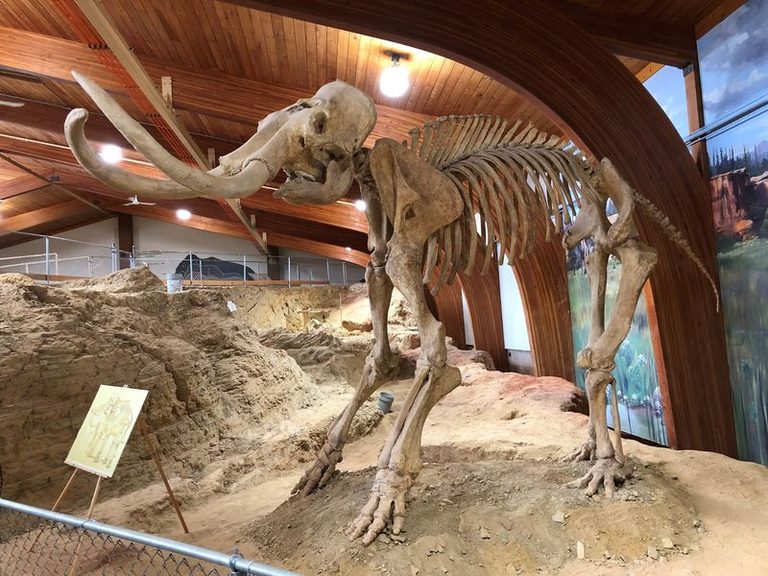
New research has shed light on the hunting practices of prehistoric people in Eurasia and North America. According to a study published in the journal Current Biology, these early humans targeted female mammoths, with around 70% of the mammoths whose bones were studied from accumulation sites being females.
Hunting Tactics
The researchers used genetic data from 521 mammoths spanning approximately the past 50,000 years across Eurasia and North America. They found that the people who inhabited the mammoth regions were nomadic hunter-gatherers who collected edible plants and hunted various Ice Age mammals, including woolly rhinoceroses, caribou, bison, and deer.
The study suggests that the prehistoric people may have used the landscape to their advantage when hunting mammoths, driving them into traps or natural hazards such as cliffs or swampland. The largest mammoth-hunting site in the study was located in southern Poland and dated back to around 25,000 to 30,000 years ago.
The researchers also identified one mammoth with a genetic condition called X0/XX mosaicism, which made it neither biologically female nor biologically male. This discovery has sparked further investigation into the lives of these prehistoric creatures.
Original reporting: Appleton, WI News Feed (HLL/CB) — read the source article.