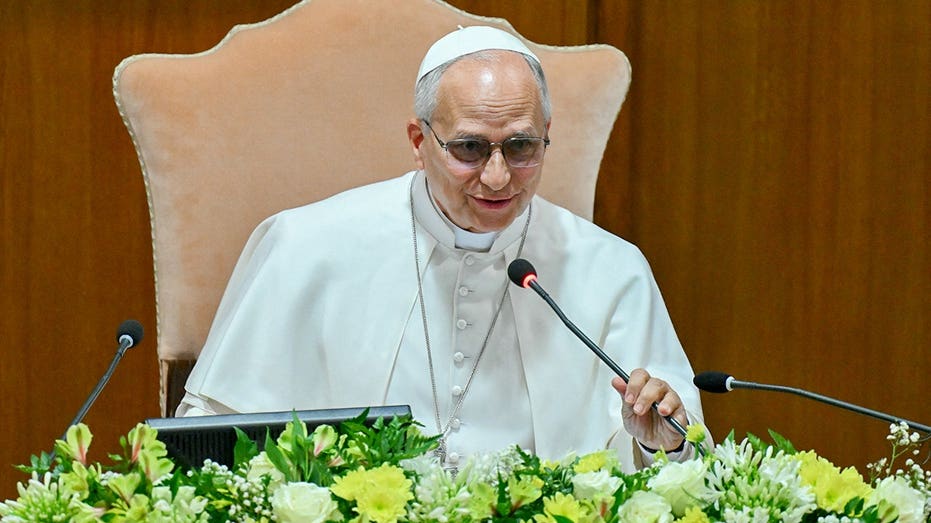
Pope Leo XIV’s recent encyclical, Magnifica Humanitas, has been dubbed the “AI encyclical,” but its scope extends far beyond artificial intelligence. The document reflects on the dignity of the human person, created in God’s image, and warns against the potential dehumanizing effects of modern technology.
AI and Human Dignity
Drawing parallels with biblical stories, Pope Leo contrasts the Tower of Babel’s hubris with Nehemiah’s God-centered rebuilding of Jerusalem. He cautions that AI and other technologies can lead to manipulation and domination if not grounded in moral principles. However, when used responsibly, these innovations can enhance human dignity and community.
Magnifica Humanitas emphasizes the importance of Catholic social teaching, advocating for a balance between subsidiarity and solidarity, individual dignity and the common good, and private property rights alongside the universal destination of goods. This equilibrium allows for constructive dialogue across political divides.
Technocratic Paradigm Concerns
Pope Leo warns against a “technocratic paradigm” that prioritizes efficiency over human dignity. He highlights the risks of AI in spreading misinformation and undermining truth, urging that technology should foster freedom and critical thought rather than distraction and dominance.
The encyclical also addresses the psychological impact of digital spaces, noting the correlation between screen time and mental health issues. Pope Leo calls for regulation to protect individuals, especially children, from harmful online content.
AI’s Impact on Work
Pope Leo expresses concern over AI’s effect on employment, emphasizing that work is essential for human flourishing. He argues that economic benefits should not come at the cost of job loss, as the human person must remain the focus of economic systems.
Overall, Magnifica Humanitas urges a moral approach to technology, ensuring that advancements serve humanity rather than diminish it.
Original reporting: Fox News (HLL/CB) — read the source article.