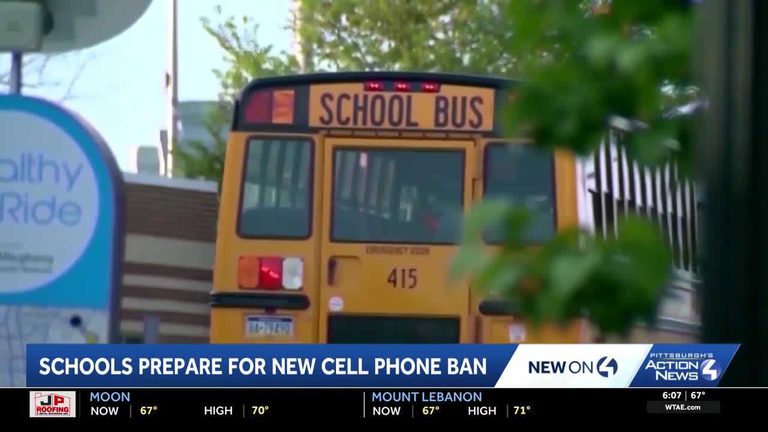
The Pennsylvania General Assembly has passed a law that obligates every public, private and charter school in the Commonwealth to implement policies limiting student cell phone use during the school day. Districts must have these policies in place for the 2027‑28 academic year, reflecting a growing consensus that unrestricted device access distracts learners and undermines parental authority.
Local districts already on board
In Pittsburgh, the public‑school system has been ahead of the curve. Since last spring, students hand over their phones each morning under a district‑wide policy. “I think there was an indication that it might pass in the spring, so we wanted to be in lockstep with state policy,” said Gene Walker, board president for Pittsburgh Public Schools. He added, “For the most part, students get it. They turn their phone in, get it back at the end of the day, and they’re not really missing anything except notifications they probably shouldn’t be looking at during school anyway.”
How districts are handling the ban
Montour School District Superintendent Christopher Stone said his district has taken a phased approach that has been well received by parents and students. “In anticipation of upcoming restrictions on student cell phone use, Montour has implemented a plan that respects family expectations while keeping classrooms focused,” Stone explained.
Under Montour’s guidelines, phones must be turned off and stored in lockers or backpacks, though high‑school students may use them during lunch periods. The statewide ban includes clear exceptions for students or immediate family members with medical conditions that require a device, for those whose Individualized Education Program (IEP) calls for phone use, for translation needs, and for special cases approved by school principals.
Opposition from some board members
Not everyone agrees with a statewide mandate. Woodland Hills School Board member Darnika Reed recalled the district’s own ban from 2016, noting that a recorded incident involving a principal helped expose abuse. “If it weren’t for a child having a cell phone and recording the principal, we might still have children being abused in the school district,” Reed said, emphasizing the protective role phones can play.
Reed also questioned the necessity of a uniform state law, arguing that local districts are best positioned to understand their families’ needs. “We interact with the families. I don’t believe it was necessary to have a state ban,” she said.
Why the law matters for families
Supporters argue that limiting cell phone access during class hours reinforces parental authority, reduces distractions, and helps maintain a safe learning environment. By setting a clear baseline, the law aims to give parents confidence that schools are prioritizing education over constant digital interruptions.
School administrators across the Commonwealth are now tasked with drafting implementation plans that balance safety, educational focus, and the legitimate needs of students with medical or accessibility requirements. The law’s flexibility for exemptions ensures that students who truly need a device for health or learning reasons are not left behind.
What’s next
Districts will submit their compliance plans to the state Department of Education by the end of the 2026‑27 school year. As schools prepare, many are looking to the early adopters—like Pittsburgh and Montour—for best practices on how to enforce the restrictions while respecting the limited exemptions.
Parents, educators and community members are encouraged to stay informed about their local district’s rollout schedule and to provide feedback during public comment periods. The law reflects a shared commitment to safeguarding children’s education and upholding family values in Pennsylvania’s schools.
Original reporting: WTAE (Hearst) – local — read the source article.