HARRISBURG – As Pennsylvania heads toward the November midterm ballot, data center development has surged to the top of campaign agendas in dozens of races. More than 120 proposed facilities – among the nation’s highest concentration, according to Pew Research Center – have sparked intense concern from residents who fear higher utility costs, environmental strain, and unchecked corporate influence.
Governor’s Executive Order Puts Communities First
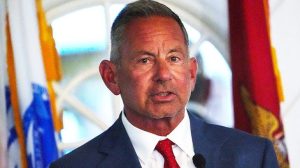
Incumbent Democratic Governor Josh Shapiro, who previously championed fast‑track permits and praised a $20 billion Amazon data‑center proposal, announced an executive order this week that requires developers to secure local approval before the state Department of Environmental Protection reviews permit applications. The order also imposes binding energy, environmental and transparency standards, effectively slowing any project that does not meet the new criteria.
“What we’re doing today is taking concrete action to listen to the voices of the people, to put local leaders back in charge of their communities, and to make very, very clear what the rules of the road are to be able to do business here in Pennsylvania,” Shapiro said at a ceremony in Harrisburg.
Republican Treasurer Calls for a Moratorium
Republican state Treasurer Stacy Garrity has taken a step further, urging a temporary moratorium on all data‑center development and criticizing Shapiro for his earlier support. Garrity, who also once welcomed the industry, now argues that a pause is needed to protect Pennsylvania families from unchecked growth.
Data Centers Appear in Over 20 Competitive Races
A Spotlight PA analysis of campaign materials in potentially competitive districts found data‑center references in at least 20 races, appearing in digital ads, mailed flyers, candidate websites and social‑media posts. Some candidates outright oppose any new facilities, while many simply pledge to add “guardrails” to protect local interests.
Political scientist Chris Borick of Lehigh University noted, “I don’t believe I’ve seen an issue have such a meteoric rise in saliency as this issue. It’s been an issue that is redefining politics and campaigns in the state and country.” He added that the debate blends concerns about land use, information access, who benefits from the data, and the impact of AI on future jobs – a “pretty potent cocktail,” he said.
Local Candidates Highlight Community Impact
In the 40th Senate District surrounding suburban Scranton, Democrat Brian Wrightson, who runs a technology‑infrastructure firm, is campaigning to ban all new data‑center projects. He argues the rapid pace outstrips genuine economic demand and raises safety worries, saying, “We don’t know what would happen if a tech‑filled data center had a fire.”
Republican incumbent Sen. Rosemary Brown, meanwhile, has introduced a package of bills to require third‑party water‑use evaluations, a legislative study of facilities, and a prohibition on rezoning residential property for data‑center use. In a campaign video she supported a moratorium “until we can make sure our voices and our communities are protected.”
Funding Scrutiny and Political Ads
The race has also drawn attention to campaign financing. Brown’s campaign received a $5,000 contribution from data‑center developer James Marzolino, while Wrightson’s opponents point to small donations from groups that have historically backed data‑center development.
In a Senate Republican ad, Democrat Chris Thomas was portrayed as “bankrolled” by “data‑center insiders,” citing his past consulting work for civil‑engineering firm Gilmore & Associates, which consulted on an Amazon proposal. Thomas denied taking money from developers and clarified his role was limited to temporary marketing and municipal advising.
Polling Shows Strong Voter Opposition
A recent Quinnipiac University poll found nearly three‑quarters of Pennsylvania voters would oppose an AI data‑center being built in their local community. While Governor Shapiro enjoys generally high favorability, only 24 % of respondents approved of his handling of data‑center issues, with 34 % disapproving.
These numbers underscore why candidates across the Commonwealth are emphasizing local control, transparency and community protection as central campaign themes.
What This Means for Voters
For Pennsylvania voters, the data‑center debate highlights a broader tension between attracting high‑tech investment and preserving the quality of life in small towns and suburbs. As the November ballot approaches, candidates who can convincingly balance economic opportunity with strong community safeguards are likely to gain the most traction.
Original reporting: Herald-Standard – latest news for Uniontown, Pennsylvania — read the source article.