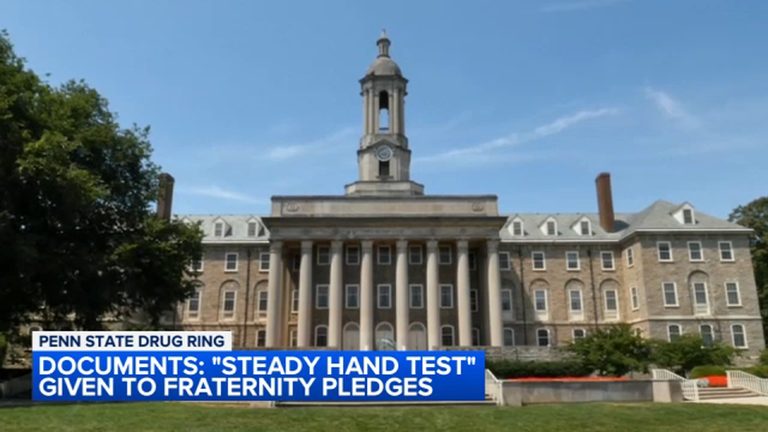
State College, Pa. – Recent court documents expose a sophisticated drug‑trafficking operation that operated out of the Delta Upsilon fraternity at Penn State University. Prosecutors say Thomas Robinson, a fraternity member who oversaw pledges, recruited three pledges to help cut and repackage kilos of cocaine for distribution across campus.
Steady‑hand test used to vet pledges
According to the grand‑jury presentment, Robinson asked the pledges to hold out their hands. Those whose hands remained steady were allowed to continue assisting, although they were not told the true nature of the task. Robinson then led the pledges to the fraternity’s boiler room, where a folding table was set up with goggles, glass dishes and dime‑size bags.
Robinson placed a brick‑like amount of cocaine on the table. One pledge shredded the cocaine while Robinson added creatine, a common supplement, to bulk the product. The remaining two pledges weighed the half‑gram bags and sealed them for sale.
Fraternity silence and wider network
The documents allege that the drug business was passed down through the fraternity, with graduating brothers or those studying abroad handing off the operation. When the ring grew, other fraternity members warned Robinson that the operation was becoming too visible and could lead to arrests. Robinson ignored the cautions and continued expanding his customer base, selling to non‑fraternity students as well.
Robinson’s role as a pledge educator – a position that normally mediates between pledges and “pledge masters” – gave him access to new recruits. Grand‑jury testimony described him as “calling the shots” for the pledges involved in the preparation and distribution of cocaine.
Code of silence enforced
Authorities say the fraternity’s existing code of silence extended to the drug trade. After Robinson’s arrest, the fraternity president held a virtual meeting urging members not to speak to police, to seek legal counsel, and to report any subpoenas.
Safe buried and retrieved
Following Robinson’s release from jail, his father, Paul Robinson, allegedly helped retrieve a safe containing cocaine and cash that a fraternity brother had hidden in the woods near campus. Robinson reportedly paid two men, Ryan Matson and Thomas O’Neil, $100 a month to store the safe in their apartment. When police moved in, the men buried the safe in a wooded area. Paul Robinson later traveled to the site, retrieved the safe with Matson’s assistance, and removed it from the campus vicinity.
Legal repercussions
The investigation has led to multiple arrests and charges related to drug trafficking, possession of controlled substances, and conspiracy. Prosecutors continue to examine the extent of the ring’s distribution network and the involvement of additional fraternity members.
University officials have not yet released a statement on the ongoing investigation, but campus police are working closely with state and federal law‑enforcement agencies to address the situation and prevent further illicit activity within the student community.
Original reporting: Allentown News – 6abc Philadelphia — read the source article.