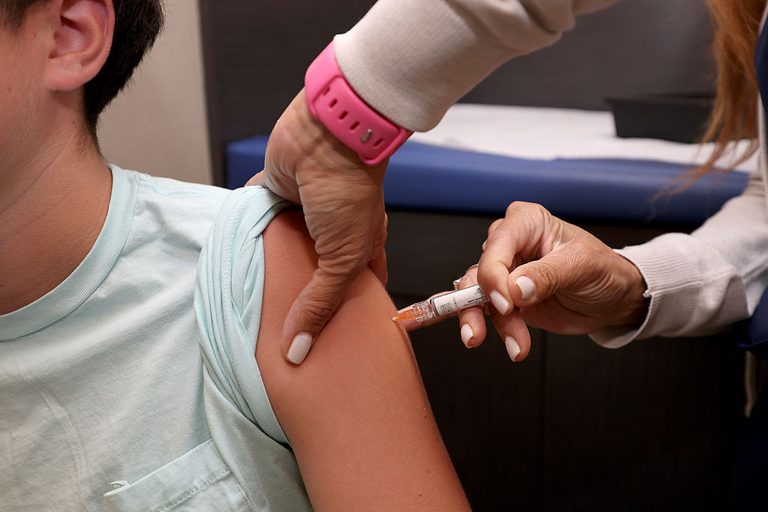
In the Washington, D.C., metropolitan area pediatricians are reporting longer appointments as they field an increasing number of vaccine questions from families. Dr. Molly O’Shea, a pediatrician and spokesperson for the American Academy of Pediatrics (AAP), explained that the mix of federal, state and professional guidance has left many parents seeking reassurance about which immunizations are best for their children.
More sources, more questions
Historically, doctors could point families to the Centers for Disease Control and Prevention (CDC) recommendations and feel confident that the guidance was uniform. Today, parents also encounter state‑specific recommendations and guidance from medical societies such as the AAP. Maryland’s vaccine schedule mirrors AAP advice, Virginia openly endorses the AAP childhood immunization schedule, and D.C. school vaccine requirements remain in place while providers follow the same professional recommendations.
“It would definitely make our job easier if everything aligned,” Dr. O’Shea said. She added that the volume of differing information has led to “almost no visit … where a parent isn’t at least wanting reassurance that the vaccines we’re talking about are the right choice for their child.”
Doctors taking extra time
Physicians are responding by spending more minutes with each family, listening to concerns, and asking permission before sharing additional information. “When we understand where that concern comes from, then we can ask permission to share additional information,” Dr. O’Shea explained.
She emphasized that these conversations are not perfunctory; they are essential because vaccination rates have slipped slightly. CDC data show that childhood vaccination coverage remains above 90 percent, yet it has been declining. During the 2025‑26 school year, coverage for key vaccines among kindergarteners fell to about 92 percent, leaving roughly 280,000 children without documented measles, mumps and rubella immunization.
Why the dip matters
Lower completion rates raise worries about outbreaks of preventable diseases. Dr. O’Shea noted recent increases in measles and whooping cough cases, as well as isolated incidents of Haemophilus influenzae B (Hib) in communities. “The devastating effects that under‑vaccination can result in for children and adults, frankly, in the community,” she said.
Despite the downward trend, the majority of parents continue to vaccinate. The pediatric community sees the trend as a warning sign rather than a crisis, and they are committed to reversing it through education and partnership.
Building trust through collaboration
Doctors aim to remain the trusted source families turn to for health decisions. “Pediatricians and parents want children happy, healthy and engaged in the world,” Dr. O’Shea said. By keeping the conversation collaborative and honest, physicians hope to move past division and controversy, reinforcing the shared goal of protecting children’s health.
As the region’s pediatricians continue to allocate extra time to vaccine discussions, they underscore the importance of clear, consistent guidance from health authorities and professional societies. Their effort reflects a broader commitment to safeguarding the well‑being of the next generation while supporting families in making informed health choices.
Original reporting: Alexandria, VA News – WTOP News — read the source article.