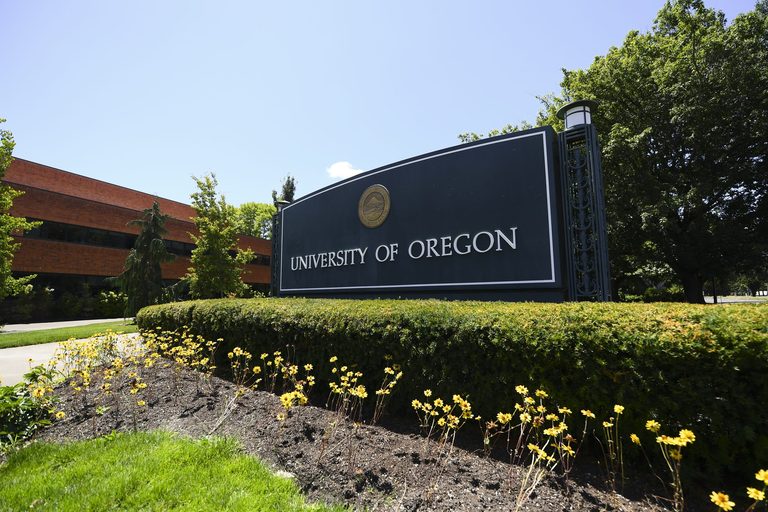
University administrators across Oregon are bracing for a continued decline in international enrollment as new immigration policies from the Trump administration take effect. Staff at the University of Oregon, Oregon State University and Portland State University report that visa delays, shortened study‑visa terms and recent travel bans are making it harder for students from abroad to arrive for the fall semester.
Federal policy changes spark enrollment challenges
President Donald Trump’s administration has tightened student‑visa processing, extended the length of time required for approvals and reinstated travel bans on several countries in Africa and the Middle East. The administration says these steps are necessary to protect national security and enforce immigration laws.
According to the nonprofit Association of International Educators, U.S. universities saw a 20% drop in foreign‑student enrollment this spring compared with 2025. A lawsuit filed two weeks ago seeks to block the new visa‑length rule that would limit international students to four years of study, with only a limited extension option.
Local impact on Oregon campuses
At the University of Oregon, spokesperson Angela Seydel said many prospective students have reported difficulty getting paperwork processed in time for the September start date and are concerned about “ever‑changing federal rules.” The university estimates that more than 4,000 international students were enrolled for fall 2025, roughly half the number in 2015.
Portland State University’s enrollment office confirmed that more than 130 students who had been slated to begin studies since June 2025 were unable to do so because of the travel bans, including 35 Iranians and 86 Nigerians. Additional students from Serbia and South Korea are also experiencing visa delays.
Oregon State University reported that its international student body has fallen to about 1,900, down from 2,400 in recent years. While the university does not expect the decline to threaten any specific degree programs, it emphasizes the loss of cultural and linguistic diversity on campus.
Economic and educational consequences
The Association of International Educators estimates that more than 7,300 international students at Oregon’s public and private colleges contribute nearly $264 million to the state economy each year and support over 1,900 jobs. Analysts project that the 2026‑27 academic year could see a further drop of 130,000 international students nationwide, bringing total enrollment to just over one million.
University officials note that international students typically pay non‑resident tuition rates that are two to three times higher than resident rates, meaning the enrollment decline also reduces vital revenue streams for campuses already facing rising costs.
Calls for federal action
U.S. Sen. Ron Wyden (D‑OR) joined more than two dozen senators in a letter to Secretary of State Marco Rubio urging the State Department to ensure timely processing of student and exchange‑visitor visas, consistent with past bipartisan approaches. The senators argue that delays diminish U.S. competitiveness in attracting global talent.
University leaders continue to advocate for clearer, more stable immigration policies that allow Oregon’s colleges to maintain their international programs and the economic benefits they bring.
Original reporting: Homepage – Lookout Eugene-Springfield — read the source article.