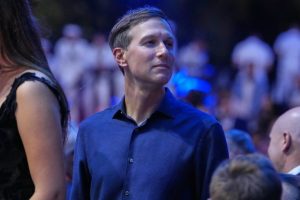
During a practice on Saturday, Oregon Ducks head coach Dan Lanning addressed the recent court order that granted 16 former college athletes a fifth year of eligibility and the ability to re‑enter the transfer portal. Lanning said the move is “unfair” to current players who have worked all summer to earn a roster spot.
Legal ruling and its impact
On August 20, a Louisiana federal judge issued a temporary restraining order against the NCAA, allowing a group of players from the class of 2022 to retain a fifth year of eligibility. Among the athletes are former Ole Miss tight end Dae’Quan Wright and former LSU defensive end Jack Pyburn, both of whom are currently on NFL training‑camp rosters. The order also permits the players to enter the transfer portal, a step Wright has already taken after appearing in a preseason game for the Cleveland Browns.
The lawsuit came after the NCAA announced a new five‑year, age‑based eligibility model that gives athletes five seasons of play starting on their 19th birthday or the day they enroll, whichever occurs first. Critics argue the model, combined with the court’s decision, further blurs the line between amateur and professional football.
Lanning’s concerns
“I think there’s a lot of negatives that are involved around this,” Lanning told the media after practice. “One, once you go to the NFL, to me, you’re in the NFL. You don’t get the opportunity to come back. Two, most of us have built our rosters and you have a limited roster limit now. So if you invited somebody back to your team, that means you’re kicking somebody else off your team to match your roster limits. I don’t think that’s fair to the players that worked all summer, all spring and put themselves in position to be ready to work for a team to have somebody come back.”
Lanning’s remarks reflect a broader concern among college coaches that the new eligibility rules could disrupt team chemistry, scholarship allocations, and recruiting cycles. With the college football season set to begin on August 29, programs must finalize rosters quickly, and the possibility of NFL‑bound players returning adds uncertainty.
Broader reactions
Other coaches and administrators have voiced similar worries, noting that allowing professional‑level athletes to re‑enter the college ranks could create competitive imbalances. Some argue the decision undermines the principle of amateurism that has long defined college sports, while others see it as a necessary flexibility for athletes whose professional prospects are uncertain.
Fans and alumni have also weighed in, with many expressing support for Lanning’s stance. They argue that players who have devoted a full offseason to earn a spot deserve the same certainty as their teammates, rather than facing the prospect of being displaced by a player who has already tasted the NFL.
What’s next?
The NCAA has not indicated whether it will appeal the Louisiana ruling or seek a nationwide clarification of its eligibility policies. Meanwhile, Oregon and other programs will need to decide how to handle any potential returns before the season opener.
As the debate continues, the situation highlights the tension between protecting student‑athletes’ rights and preserving the integrity of college competition.
Original reporting: Fox News (HLL/CB) — read the source article.