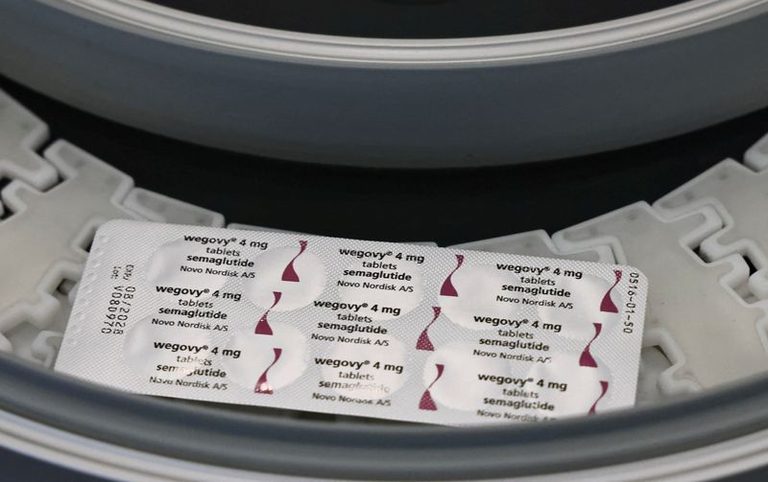
Researchers examining real‑world data from 3,011 patients prescribed the oral version of Novo Nordisk’s Wegovy discovered a striking pattern: individuals who had experienced significant weight gain within the last five years were far more likely to become “super‑responders,” defined as losing more than 10% of their baseline body weight during treatment.
Study details and key findings
The analysis, posted online but not yet peer‑reviewed, tracked patients who had a follow‑up weight measurement within 180 days of starting the medication. None of the participants had previously used any other GLP‑1 product. Super‑responders weighed an average of 207 pounds (94.1 kg) at the start of therapy, compared with 224.21 pounds (101.7 kg) for non‑responders.
Lead investigator Venky Soundararajan of data‑analytics firm nference explained, “It doesn’t matter if you’re a 30‑year‑old who recently in the last five years gained significant weight, or you’re a 60‑year‑old or a 90‑year‑old that in the last five years gained significant weight, you’re far more likely within months to reverse those five years of body‑weight gain.”
In addition to greater weight loss, the study noted that super‑responders were more likely to have escalated to a dose above the 1.5‑milligram starting dose by day 60. As patients continued the therapy, their blood pressure improved significantly, with reductions directly correlated to the amount of weight lost.
Context and next steps
Oral Wegovy received U.S. approval in December 2025. The medication joins an expanding class of GLP‑1 receptor agonists that have reshaped obesity treatment. While the findings are promising, the authors caution that the analysis does not establish a cause‑and‑effect relationship. They recommend more rigorous, controlled studies to determine whether recent weight‑gain trajectory truly predicts a stronger response to the drug.
Separately, the newsletter highlighted a mouse study published in the journal Immunity that explored why allergic reactions often intensify after repeated exposures. Researchers found that sensory neurons can retain a “memory” of allergens, priming them to react more strongly to later exposures, even to different allergens that share similar enzymatic activity. Lead author Dr. Caroline Sokol of Mass General Brigham suggested that understanding this neuronal memory could eventually lead to interventions that prevent the development of new sensitivities.
Implications for patients
For individuals struggling with recent weight gain, the oral Wegovy data suggest a potential therapeutic option that may deliver rapid and meaningful results, especially when combined with dose escalation. Patients should consult their healthcare providers to discuss suitability, dosing, and monitoring of blood‑pressure changes.
As the medical community awaits peer‑reviewed confirmation, the early real‑world evidence adds to the growing body of research supporting GLP‑1 therapies as a valuable tool in the fight against obesity.
Original reporting: Appleton, WI News Feed (HLL/CB) — read the source article.