General Mills, the maker of Pillsbury dough products and a wide range of breakfast cereals, announced stronger‑than‑expected first‑quarter results on Wednesday. The company posted total sales of $4.39 billion, surpassing the average forecast of $4.35 billion compiled by LSEG analysts. The upbeat performance reflects a continued shift among consumers who, faced with persistently high inflation, are choosing to eat at home rather than dine out.
Home‑cooking drives demand for pantry staples
Industry observers note that the current economic environment has reinforced a “home‑cooking” trend. With grocery bills remaining a significant portion of household budgets, shoppers are gravitating toward reliable, shelf‑stable items such as flour, sugar, and ready‑to‑bake mixes. General Mills’ portfolio of pantry staples—including its well‑known flour and baking mixes—benefited from this behavior, helping to lift overall sales.
Breakfast cereals remain a steady revenue stream
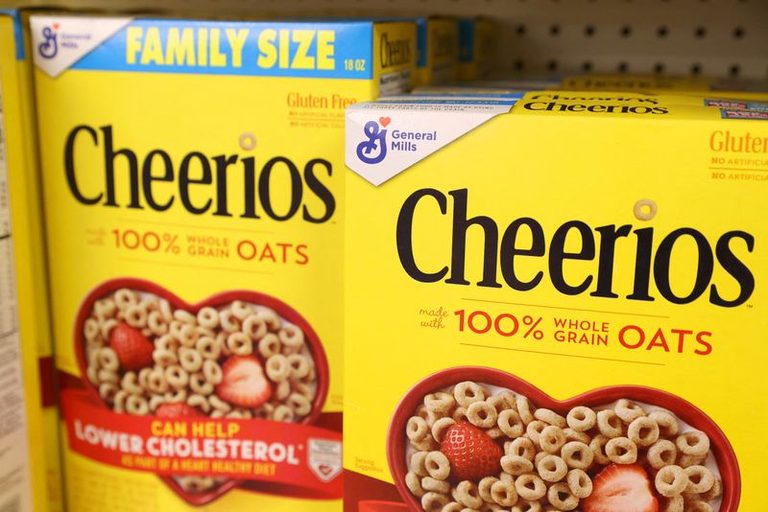
In addition to pantry products, the company’s breakfast cereal segment continued to perform solidly. Brands like Cheerios, Wheaties, and Cinnamon Toast Crunch saw steady demand as families maintain familiar morning routines. The combination of cereal sales and pantry goods created a balanced revenue mix that contributed to the company’s earnings beat.
Margin pressure from higher input costs
Despite the revenue upside, General Mills reported a slight contraction in its adjusted gross margin, which fell 90 basis points to 33.3 percent of net sales. The margin dip was driven by higher input costs, including increased prices for raw materials and transportation. The company acknowledged the pressure but emphasized that it is managing costs through supply‑chain efficiencies and strategic pricing adjustments.
Profit per share declines year‑over‑year
Adjusted earnings came in at 75 cents per share for the quarter, down from 86 cents per share a year earlier. While the per‑share profit declined, the earnings figure still exceeded market expectations, underscoring the resilience of General Mills’ business model amid a challenging macro‑economic backdrop.
Management outlook
Chief Executive Officer and Chairman Mark Smucker highlighted the company’s confidence in sustaining growth. He noted that the ongoing preference for home‑cooked meals is expected to remain a “structural shift” that will continue to support demand for General Mills’ core product lines. Smucker also reaffirmed the company’s commitment to investing in product innovation and expanding its presence in emerging retail channels.
Analyst reactions
Analysts praised the revenue beat but cautioned that margin compression could become a longer‑term concern if input‑cost pressures persist. Several market participants noted that General Mills’ diversified brand portfolio provides a buffer against volatility in any single category, positioning the company well for future quarters.
Overall, General Mills’ first‑quarter results illustrate how a major food manufacturer can thrive when consumers prioritize affordable, familiar foods at home. The company’s ability to navigate cost challenges while delivering solid top‑line growth offers a positive signal for the broader packaged‑food sector.
Original reporting: Appleton, WI News Feed (HLL/CB) — read the source article.