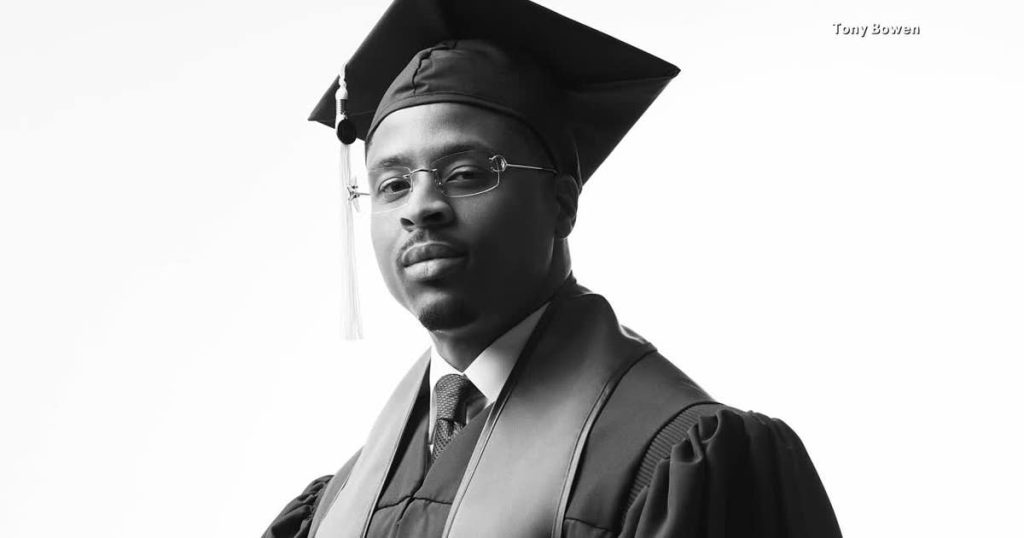
Chris Young, a former federal inmate, is set to graduate from Southern Methodist University in Dallas this weekend with degrees in economics and public policy. It’s a striking turn for someone who was once given two life sentences without the possibility of parole, and the moment has drawn attention from the SMU community and beyond. The story tracks his path from the darkest sentence to a college commencement stage in Texas.
Young’s academic achievement is notable on its own: two degrees that demand heavy reading, critical thinking and a grasp of complex systems. Economics digs into incentives and trade-offs, while public policy looks at how rules shape real lives. Together those subjects frame a powerful new toolkit for a person reentering civic life.
People often picture prison as a dead end for learning, but this graduation pushes back on that image. Education in and around the justice system has changed trajectories for many, and Young’s milestone puts a public face on that change. The fact that the university recognizes his work with degrees underlines how higher education and second chances can intersect.
The logistics of getting to a degree after a criminal case are rarely simple, so the diploma represents more than classroom hours. It’s the paperwork, the enrollment hurdles, the advising meetings and the late nights with readings that most graduates know well. For Young, those ordinary academic hassles were layered on top of an extraordinary past.
At SMU, classmates and faculty who watched his progress have described the ceremony as a moment to celebrate commitment and perseverance. Commencement gatherings tend to be charged with emotion, and this one carries extra weight given his history. The applause will reflect years of study as much as it acknowledges a personal turnaround.
Degrees in economics and public policy can be practical as well as symbolic. They give someone the language to talk about budgets, regulations and the consequences of policy choices. For someone who lived through extreme consequences of the legal system, that knowledge can be especially meaningful when discussing reform, employment or community leadership.
Young’s presence at commencement also raises questions about barriers faced by formerly incarcerated people trying to build a new life. Employers, housing providers and social networks all influence whether academic credentials translate into opportunity. The diploma is an important credential, but it is one piece in the larger puzzle of reintegration.
The university setting offers resources that can amplify a degree: alumni networks, career services and public events where new graduates can connect with organizations. Those channels matter because they turn classroom learning into practical options. For a graduate with a difficult past, supportive connections can change the odds.
Stories like Young’s also tend to spark conversation about the role of punishment and rehabilitation in the criminal justice system. While debates over sentencing and policy are complex, individual transformations make the theoretical stakes feel real. Observers on campus and off are likely to reflect on how society balances accountability with the chance to rebuild.
Young’s economics background equips him to analyze incentives and resource allocation, and his public policy study sharpens an understanding of how laws are shaped and implemented. Those fields combine to help him think about the structures that affected his life and how they might be altered. That perspective could inform future work in community groups, advocacy or simply informed civic participation.
What matters now is that he is walking into a new chapter with degrees in hand and a commencement ceremony on the calendar. The scene at SMU this weekend will be less about where he started and more about the shape of his next steps. Graduation is a concrete moment that makes a fresh beginning visible to family, peers and the public.
For many who watch, the image of a former inmate stepping across a college stage will linger as a reminder that human lives can shift in unexpected ways. It won’t erase past pain or the debates that surround sentencing, but it will complicate easy stories about people and possibility. In Dallas, at Southern Methodist University, that complexity will be on full display as Chris Young receives his degrees.