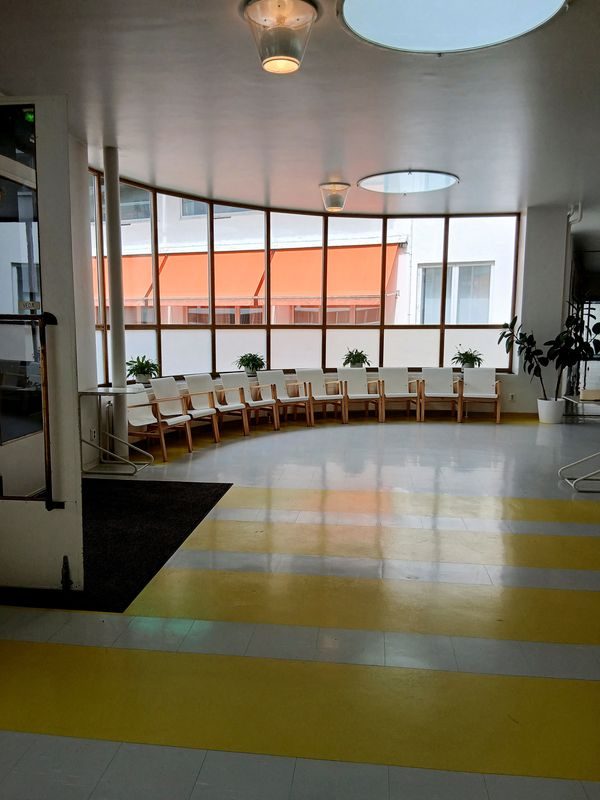
A series of sites by Finnish architect Alvar Aalto, including the Paimio Sanatorium, have been added to UNESCO’s World Heritage List. The Aalto Works, comprising 13 sites across Finland, were designed by Aalto along with his first and second wife, architects Aino and Elissa Aalto.
Humanistic Modernism
The sites embody what the Finnish Ministry of Education and Culture called the Aaltos’ humanistic modernism, an approach which strived for harmony between buildings and the natural environment. The Paimio Sanatorium, completed in 1933, demonstrates a belief that a welcoming physical environment could help patients recover from tuberculosis.
Every detail, from the color palette to the furnishings, was designed to support patient recovery, including no-splash sinks to reduce noise and large windows to maximize light. The unupholstered design of the iconic Paimio bentwood lounge chair reflected the sanatorium’s emphasis on hygiene.
Other sites in the series include the Sunila Pulp Mill residential area and Finlandia Hall in Helsinki. Outside Finland, notable Alvar Aalto works include the MIT Baker House in the US and the Wolfsburg Cultural Center in Germany.
Original reporting: Appleton, WI News Feed (HLL/CB) — read the source article.