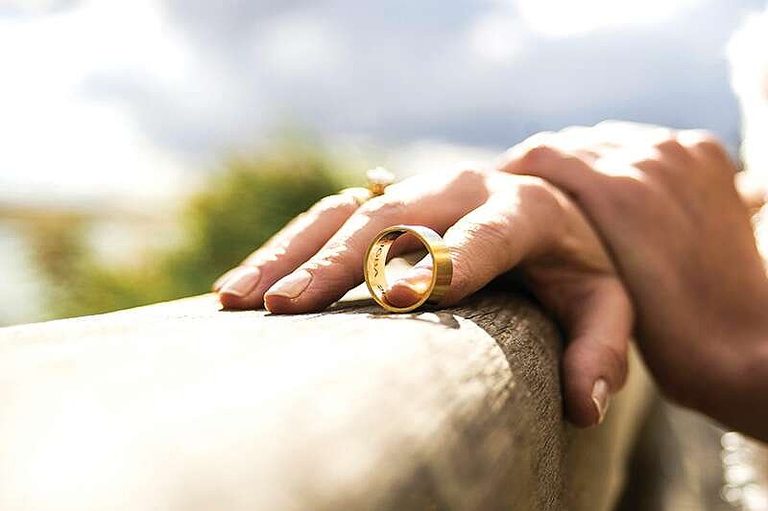
In recent years, there has been a rise in “gray divorce” – splits among those 50 and older. This trend is driven by factors such as longer life spans and changing societal expectations for marriage. Many older adults are no longer willing to stay in what sociologists call “empty shell marriages,” where there is no real connection or vitality.
Reasons for Gray Divorce
According to Susan Brown, a professor of sociology at Bowling Green State University, this generation is living longer than prior generations, and that may be changing the calculus about whether to stay in a marriage that is not meaningful anymore. Justin Garcia, the executive director of the Kinsey Institute, notes that lifelong monogamy may have meant a few decades in the past, but now couples are together for 50, 60, or even 70-plus years, which is evolutionarily unprecedented for our species.
Additionally, societal expectations for what marriage can or should be have changed. Baby boomers who got married relatively young are now living through a time when marriage is seen as a vehicle for love and self-actualization. As a result, many older adults are re-evaluating their marriages and choosing to end them if they are no longer fulfilling.
Consequences of Gray Divorce
While divorce can be expensive and older couples who are retired or nearing retirement age have a lot to lose financially, some choose to end their shell marriages but not to get divorced. Instead, they may separate and divide their assets in a way that works for both parties.
However, the period following a later-in-life separation can be difficult to navigate. Older adults tend to take a greater financial and psychological hit from divorce, and men are more likely to re-partner after a gray divorce. Women, on the other hand, may be less interested in re-marrying after divorce.
Original reporting: Texarkana Gazette — read the source article.