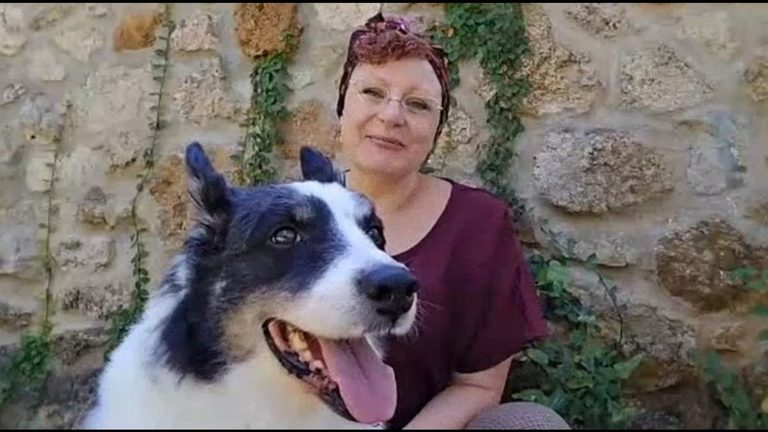
When an Australian shepherd vanished from a home near Tulsa, Oklahoma, owner Melissa Burris never imagined the search would take her across the country. After nearly two weeks without news, a call from Guilford County Animal Services in Greensboro, North Carolina, changed everything.
Rio’s unexpected journey
Rio, a ten‑year‑old Australian shepherd, was known locally as an “escape artist” who liked to wander to the nearby general store for a quick “shopping” trip. In late July, however, he failed to return after a routine outing, prompting Burris to launch an intensive online search. She posted notices in every local social‑media group she could find, urging neighbors to keep an eye out.
On August 11, an animal‑control officer in Guilford County received a report of a stray dog matching Rio’s description. A good Samaritan brought the animal to the county shelter, where staff scanned for a microchip. The chip registered to Burris, and shelter director Jorge Ortega began the detective work to locate the owner.
From Greensboro back to Oklahoma
When Burris learned her dog was in North Carolina, she booked a flight without hesitation. Upon arrival, she collected Rio from the shelter, rented a car, and drove the 1,100‑mile return trip home. “I was just floored,” Burris said of the call. “I could not believe he had made it all the way to North Carolina.” The reunion was emotional; Rio greeted his family with wagging tail and obvious relief.
“We’ll probably never know what he went through over those two weeks, but I’m happy to see the smiles back on his face,” Burris added. Rio has since settled back into his routine, reportedly “all smiles” since returning.
The importance of microchipping
Both Burris and Ortega emphasized that Rio’s safe return underscores the value of permanent pet identification. “The most important thing here is always to identify your pets, whether that be a collar and tag and a microchip,” Ortega explained. “Microchips are a permanent identification system. It’s always there—just make sure the microchip registry is up to date.”
Pet owners across the nation are reminded that a microchip can be the decisive factor in reuniting families with lost animals, especially when collars are lost or tags become unreadable.
Community response
The story quickly spread through Oklahoma’s online community groups, with many praising Burris’s perseverance and the shelter’s diligence. Local animal‑control agencies cited the case as an example of successful inter‑state cooperation, encouraging residents to keep their pet records current.
While Rio’s adventure was extraordinary, the underlying message is simple: a small step—registering a microchip—can prevent a long, heart‑wrenching separation for families everywhere.
Original reporting: Allentown News – 6abc Philadelphia — read the source article.