Oklahoma City’s water‑management team has begun moving water from Canton Lake to Lake Hefner in an effort to restore the city’s primary recreation lake after a severe summer drought. The city released roughly 16,000 acre‑feet – about 5.2 billion gallons – of water on Thursday, and officials say the first flow should arrive at Lake Hefner today.
Why the transfer matters
Lake Hefner lost at least eight feet of water over the summer, leaving many residents without their usual boating, fishing, and shoreline activities. By adding an estimated four feet of water, the city hopes to bring the lake back toward its normal operating level and improve water‑quality conditions for both recreation and municipal use.
Impact on Canton Lake
The water release will lower Canton Lake by roughly 3.5 feet. While this reduction is significant, city officials stress that the temporary drawdown is a necessary trade‑off to protect the larger, more heavily used Lake Hefner. “We’re balancing the needs of both lakes,” said an Oklahoma City spokesperson, “and this step moves us toward getting Lake Hefner back on track while still preserving enough water in Canton Lake for future use.”
Timeline and expectations
The full release is expected to take about two weeks. During that period, water will continue to flow through the existing pipeline system, gradually raising Lake Hefner’s level. Residents can expect the lake’s shoreline to shift noticeably as the water line moves inland.
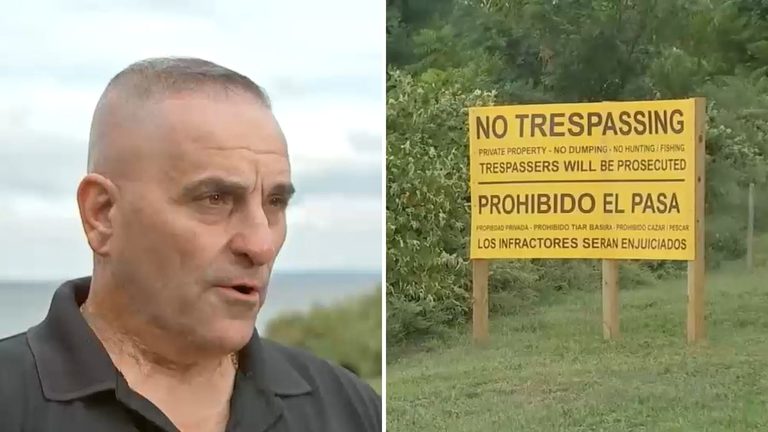
“You can tell the wet line in the sand where it used to be. And, you know, I would say it’s probably retreated back about a foot and a half from the shoreline,” said Curtis Hoskins, president of the Canton Lake Association, noting the visible changes along the lake’s edge.
Community response
Local anglers and boaters have welcomed the news, expressing optimism that the lake will soon be suitable for weekend outings again. Some environmental groups have raised concerns about the rapid drawdown of Canton Lake, urging the city to monitor water‑quality metrics closely. City officials have responded that water‑quality testing will continue throughout the release to ensure both lakes remain safe for wildlife and public use.
Looking ahead
The water‑transfer project underscores Oklahoma City’s proactive approach to drought management. By leveraging existing water‑storage infrastructure, the city can respond quickly to fluctuating water levels without resorting to costly new construction. Officials say they will evaluate the results of this transfer and consider similar actions in future drought years.
Residents are encouraged to stay informed through the city’s official website and local news outlets for updates on lake levels and any recreational advisories.
Original reporting: Oklahoma City News Feed (HLL/CB) — read the source article.