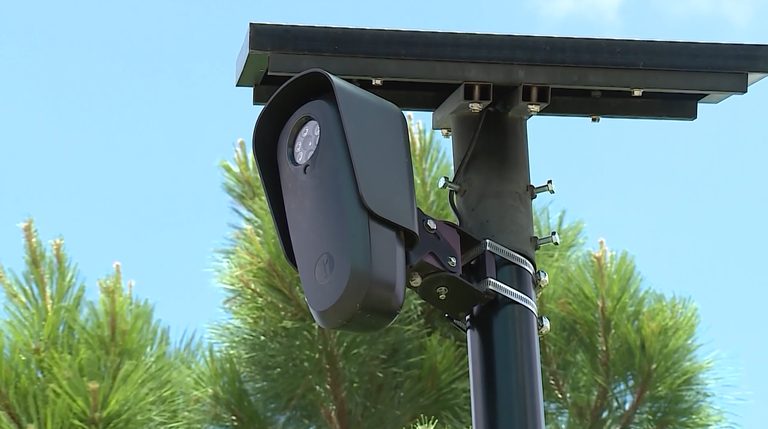
On August 16, the Oklahoma City Council voted 5‑3 to renew a one‑year contract with Flock Safety worth $270,000. The agreement permits the continued operation of 90 license‑plate‑reading cameras throughout the city, adding to a network of nearly 300 devices across the metro area.
Council vote and contract details
Mayor and council members debated the renewal after a brief postponement of the original vote. Proponents argued that the cameras have helped police locate stolen vehicles and identify suspects in violent crimes, including a 2025 Midtown shooting. Council members who supported the contract highlighted statements from the Fraternal Order of Police Oklahoma City president, Mark Nelson, who said the technology has been “instrumental in catching very violent and bad folks”.
Privacy and data‑sharing concerns
Opponents, organized under the group Deflock OKC, voiced strong reservations about privacy and the lack of clear audit procedures. Jarrett Freeman, the group’s spokesperson, told KOCO 5 that while there is no expectation of privacy on public rights‑of‑way, the ability to aggregate location data over short periods can effectively track an individual’s movements. Freeman asked the city to prove, without a shadow of a doubt, that the cameras reduce crime before the contract is renewed.
Freeman also raised concerns about data sharing. An updated Oklahoma City Police Department manual, released June 15, now permits the department to share camera data with other agencies—a policy that was previously absent. Residents such as Armando Garcia described the change as “a little absurd” and an “abuse of power.” Garcia noted that some officers have been convicted of using the cameras to stalk former or current partners, and he warned that future partnerships with federal agencies, including ICE, could further threaten community privacy.
Company statements
Flock Safety told KOCO 5 that its system does not employ facial‑recognition technology and does not collect personal data beyond license‑plate information. Records obtained by the station show that the city has modified the contract to limit who can access the data, though critics say the changes are insufficient.
Next steps
The council’s decision means the cameras will remain active while the city continues to evaluate their effectiveness. Deflock OKK has requested detailed performance metrics and an audit of data‑handling procedures. The council is expected to review any additional findings at its next public safety meeting.
As the debate continues, Oklahoma City residents are left to weigh the claimed safety benefits against the potential for expanded surveillance and data sharing.
Original reporting: Oklahoma City News Feed (HLL/CB) — read the source article.