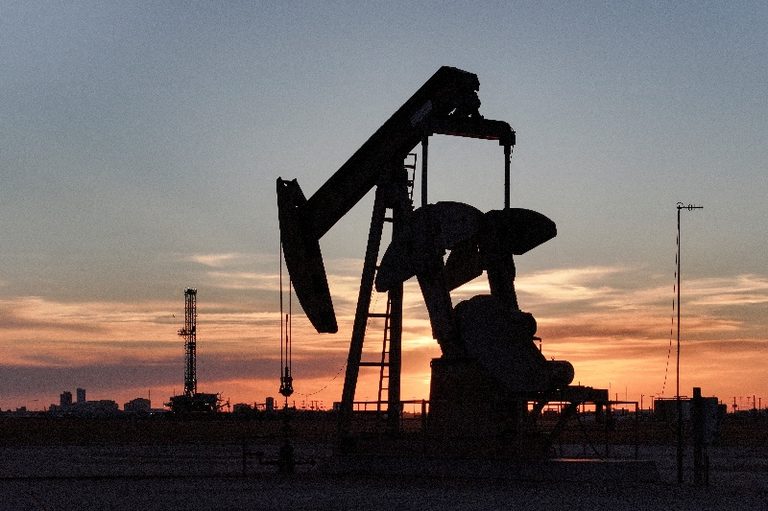
Oil markets opened on Monday with a sharp jump, as fresh attacks in the Gulf region reignited concerns over the world’s oil supply. Brent crude futures rose $3.62, or 3.46%, to $108.23 a barrel, and U.S. West Texas Intermediate (WTI) futures increased $3.15, or 3.15%, to $103.20 a barrel.
Recent attacks spark market reaction
Saudi Arabian state media released video footage showing damage to homes and a mosque in the southern Jazan province, attributing the destruction to a Houthi strike. The Houthis also claimed to have hit a Saudi military base in a neighboring province.
In the strategic Strait of Hormuz, a vessel was struck by a projectile, igniting a fire and forcing the crew’s evacuation, according to the United Kingdom Maritime Trade Operations (UKMTO). Iran reported that one person was killed and four crew members were wounded aboard an Iranian commercial vessel struck off its coast.
Market analysts weigh the outlook
IG market analyst Tony Sycamore noted that, unless the scheduled talks in Oman produce a concrete operational outcome or the East‑West pipeline in Saudi Arabia is restored quickly, crude prices could continue to climb toward the early‑March high of $119.48 per barrel.
The East‑West pipeline, Saudi Arabia’s largest oil conduit, was shut last week after a drone strike that originated in Iraq, further tightening global supply.
Diplomatic efforts face setbacks
Omani Foreign Minister Badr Albusaidi announced on X that a planned meeting in Oman on Monday, intended to bring together Gulf states and Iran to discuss security in the Strait of Hormuz, had been postponed. The postponement adds uncertainty to regional stability and underscores the challenges of diplomatic engagement amid ongoing hostilities.
Implications for consumers and businesses
Higher oil prices can translate into increased fuel costs for motorists, higher freight rates for shippers, and broader inflationary pressure on everyday goods. Energy‑intensive industries, particularly those operating in the United States, may see tighter margins as input costs rise.
While the market reaction reflects immediate supply worries, analysts caution that the longer‑term impact will depend on the speed of repairs to Saudi infrastructure and the success of diplomatic talks aimed at de‑escalating tensions in the Gulf.
What to watch next
- Progress on reopening Saudi Arabia’s East‑West pipeline.
- Resumption of the Oman‑hosted talks involving Gulf states and Iran.
- Further developments in the Houthi campaign against Saudi targets.
- Potential ripple effects on gasoline prices and consumer inflation.
Investors and consumers alike should monitor these factors as the situation evolves, recognizing that regional security remains a key driver of global energy markets.
Original reporting: Appleton, WI News Feed (HLL/CB) — read the source article.