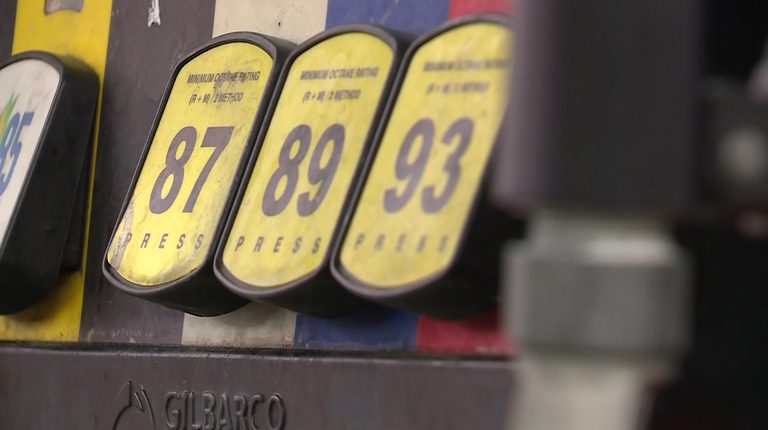
Ohio’s General Assembly is set to meet in a special session on Wednesday to debate a temporary suspension of the state’s gasoline tax. The proposal, backed by both gubernatorial hopefuls Amy Acton and Vivek Ramaswamy, would halt the tax for 90 days, potentially lowering the price at the pump by about 38 cents per gallon for unleaded gasoline and 47 cents per gallon for diesel.
Legislative context and motivations
The special session comes as the nation grapples with volatile oil markets tied to the ongoing war in Iran. Ohio drivers are feeling the pinch, with AAA reporting an average regular‑gas price of $4.34 per gallon and diesel at $6.75 as of Monday morning. Lawmakers argue that a short‑term tax break could provide immediate relief to families and commuters across the state.
Fiscal concerns and funding alternatives
Governor Mike DeWine has not yet indicated whether he would sign the suspension into law. He has voiced concern that the gas tax funds critical road and bridge projects throughout Ohio. Supporters of the suspension contend that the state can cover the shortfall using other revenue streams, though they have not detailed which accounts would be tapped or how much money is available.
Neighboring Indiana has already implemented a similar gas‑tax suspension since the summer. While Indiana’s drivers enjoy lower pump prices, the state’s transportation industry has warned of budget shortfalls caused by the exemption. Ohio officials will need to weigh those lessons as they consider the fiscal impact of a comparable policy.
Potential impact on Ohio drivers
If the measure passes, the tax suspension would take effect the following month, giving motorists a brief window of reduced fuel costs. For a typical driver who fills up 12 gallons a week, the savings could amount to roughly $4.50 on gasoline or $5.60 on diesel each week, translating into several hundred dollars over the three‑month period.
Beyond immediate savings, proponents argue that lower fuel costs could stimulate local commerce by reducing transportation expenses for businesses that rely on trucks and delivery vehicles.
Next steps
The Senate is expected to vote on the suspension during the special session, after which the House will consider the measure. Should both chambers approve, the proposal will be sent to Governor DeWine for final approval. Ohio residents are encouraged to stay informed about the outcome, as the decision will directly affect their daily commute and the state’s transportation budget.
Original reporting: WLWT Cincinnati — read the source article.