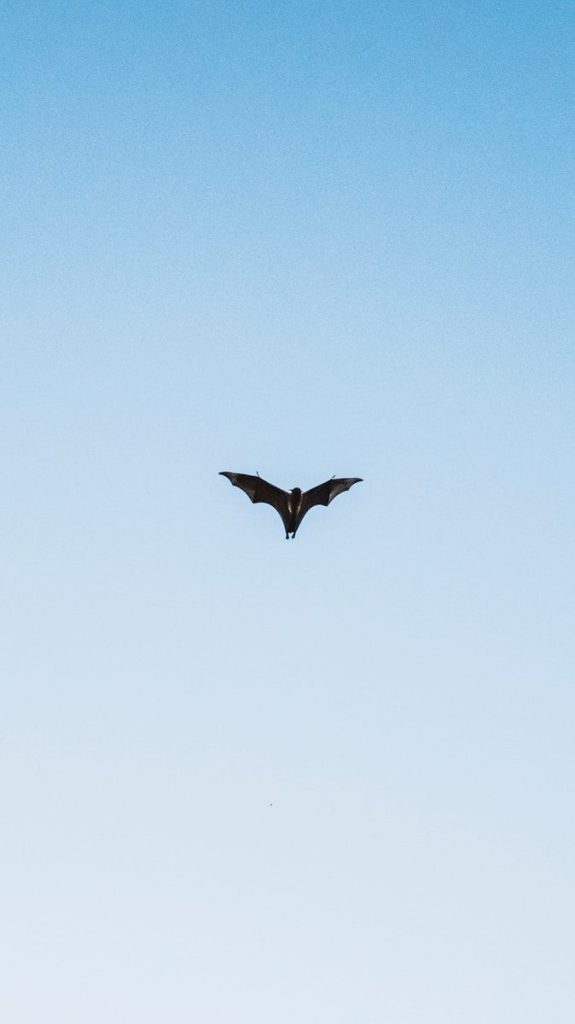
Columbus, Ohio – For the second summer in a row, Ohio wildlife officials have been fielding reports of unusually large numbers of bats falling ill or dying. The Ohio Division of Wildlife says the incidents are occurring in multiple locations, with southwestern and central Ohio seeing the highest concentrations.
Local residents notice the trend
Central Ohio resident Amanda Griffin told local TV station WCMH that she began finding dead bats on her driveway in early June, a sight she had never experienced before. “I was really surprised to see them,” Griffin said.
Rehabilitators see growing numbers of sick juveniles
Gwen Hoogendoorn, president of the Ohio Wildlife Rehabilitators Association, reported that some colonies have had anywhere from five to more than thirty sick or dying baby bats at a single site. “We don’t have the answers when they call and say, ‘Hey, I have all of these bats that are dying,’” she said, adding that the disease appears to be unfamiliar and has been emerging over the past two to three years.
Testing and investigation underway
State biologists have been collecting tissue and other samples to send to the Division of Wildlife for laboratory analysis. Rabies testing has already returned negative, but officials have not yet identified a definitive cause. “We take every kind of collection we can, we contact the state, and then the state will start performing testing to determine what’s going on,” said David Donahue, development and communications manager with the Ohio Wildlife Center.
Investigators are also looking beyond infectious agents. Tests are being conducted to determine whether exposure to pesticides or herbicides could be contributing to the mortality event. The state is developing a testing strategy for next year in case the unusual die‑offs persist.
Potential impact on agriculture
Bats play a vital role in controlling insect populations, including mosquitoes, moths and crop‑destroying beetles. Hoogendoorn warned that a decline in bat numbers could force farmers to rely more heavily on chemical sprays, raising both production costs and food prices. “One bat can eat 1,000 mosquitoes in an hour every night, and they eat moths and crop‑destroying beetles,” she explained. “When we no longer have these bats, the farmer has to spray more, which now raises the cost of your food.”
How the public can help
State officials are asking residents to report any locations where three or more dead bats are found within a single day. The Ohio Division of Wildlife can be reached at 1‑800‑WILDLIFE (1‑800‑945‑3543) for guidance. A single dead bat may be disposed of in the trash, but sick or downed baby bats should be turned over to a licensed wildlife rehabilitator for assessment.
Scientists emphasize that the investigation is ongoing and that more data will be needed to determine whether disease, environmental exposure, pesticides, herbicides, or another factor is responsible for the deaths. The continued monitoring will be crucial, especially as Ohio’s bat populations already face the long‑standing threat of white‑nose syndrome, a fungal disease that has devastated bat numbers during winter months.
Looking ahead
With a second consecutive year of unexplained summer bat mortality, Ohio wildlife officials hope that the additional samples and observations will eventually pinpoint the cause. Until then, they are relying on public reports and continued laboratory testing to protect both the state’s wildlife and the agricultural benefits that healthy bat colonies provide.
Original reporting: WOWO News/Talk (Fort Wayne) — read the source article.